Travelling across Ireland or abroad should be about relaxing, not worrying about tiny unwanted guests. Yet bed bug incidents in hotels are increasingly common worldwide, even in clean, well-rated hotels. Knowing how to check your room properly can save you from an irritating experience and a potential infestation at home.
Bed bugs are small insects that feed on blood, usually at night, and they are experts at hiding in mattresses, furniture, and crevices. They do not spread disease, but their bites can be itchy, slightly swollen, and very uncomfortable for most people. The real issue is how easily bed bugs spread, often travelling long distances in luggage, clothes, or bedding.
If you know what signs to look for and how to inspect a hotel room, you can drastically reduce the risk of bringing bedbugs back to your home in Ireland.
What Do Bed Bugs Look Like and Why Hotels Are at Risk
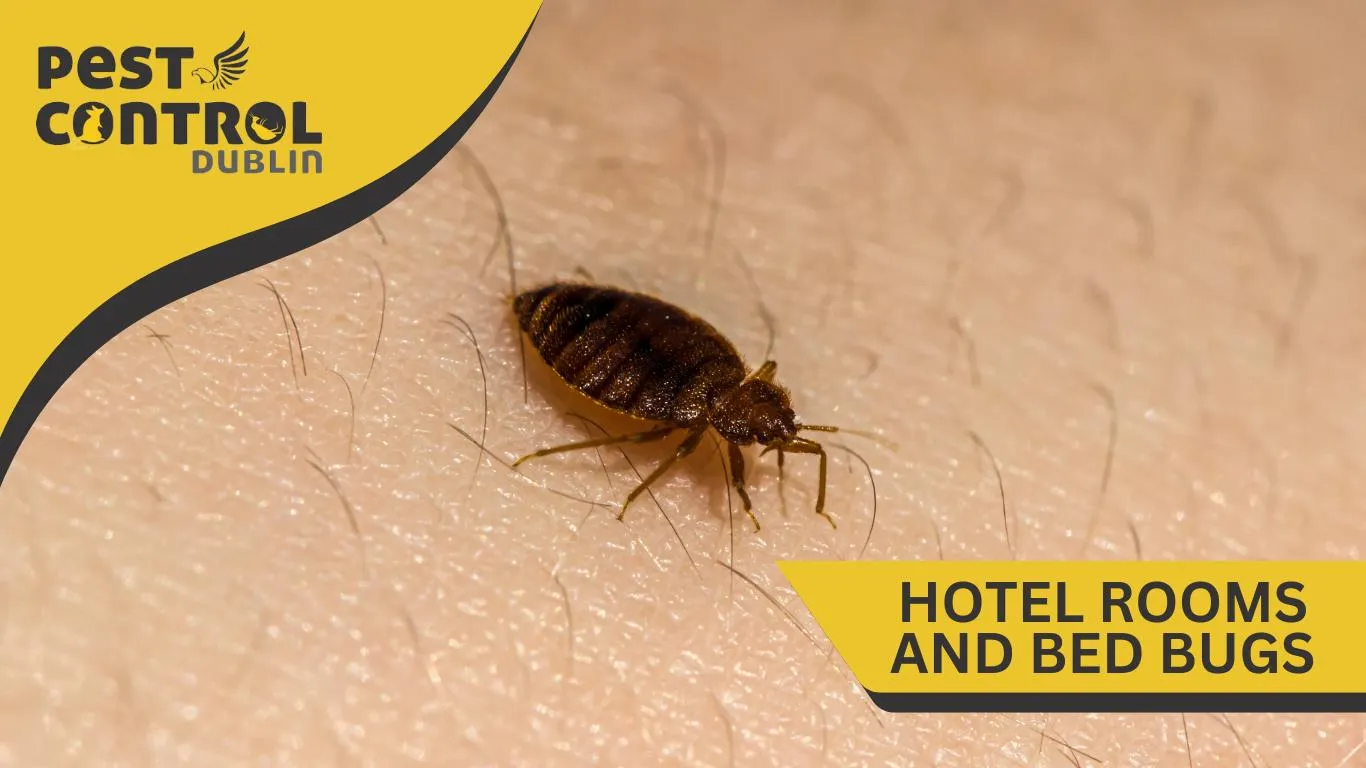
Adult bed bugs are small, flat, and about the size of an apple seed. They are brownish but turn reddish after feeding. You may also come across bed bug nymphs, which are smaller and lighter in colour, or bed bug eggs, which are tiny and white, often hidden in cracks and crevices.
Hotels are particularly vulnerable because of the constant flow of travellers. Bed bugs survive by hitching rides in luggage and clothing, making it easy for an infestation to move from one room to another without being noticed.
How to Inspect a Bed Bug Hotel Room Like a Pro
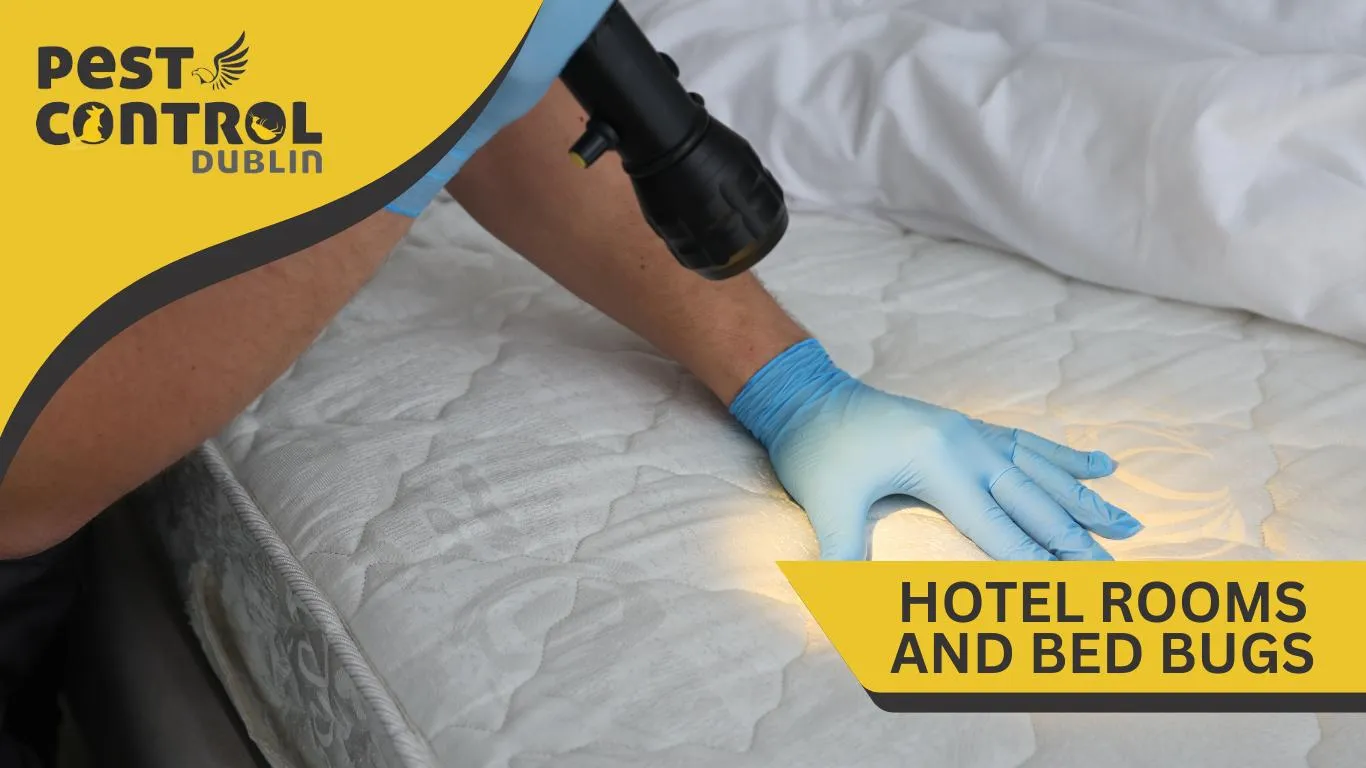
The best way to avoid trouble is to inspect the room before you unpack anything. Start with the bed, as this is where bed bugs are most likely to hide and feed during the night.
Pull back the bed linen carefully and examine the mattress seams, especially around the corners. Look for dark spots, reddish stains, or shed skins. These are common signs of bed bug presence. Check the pillows, sheets, and linens for similar marks.
Further reading: Bed Bug Bites vs Flea Bites: How to Tell the Difference
Move on to the headboard and nearby furniture. Bed bugs often hide in cracks, behind fittings, or inside crevices where they are protected during the day. Check behind the headboard and along the edges of bedside tables.
Keep your luggage off the bed while inspecting. Place it in the bathroom or on a hard surface until you are confident the room is safe. This simple habit can help prevent bed bugs from crawling into your belongings.
Common Signs You Should Never Ignore
Even if you do not see live bed bugs, there are clear warning signs. Dark spots on the mattress or furniture often indicate bed bug droppings. Reddish stains may come from crushed bugs after feeding. You might also notice tiny eggs or shed shells as the bugs grow.
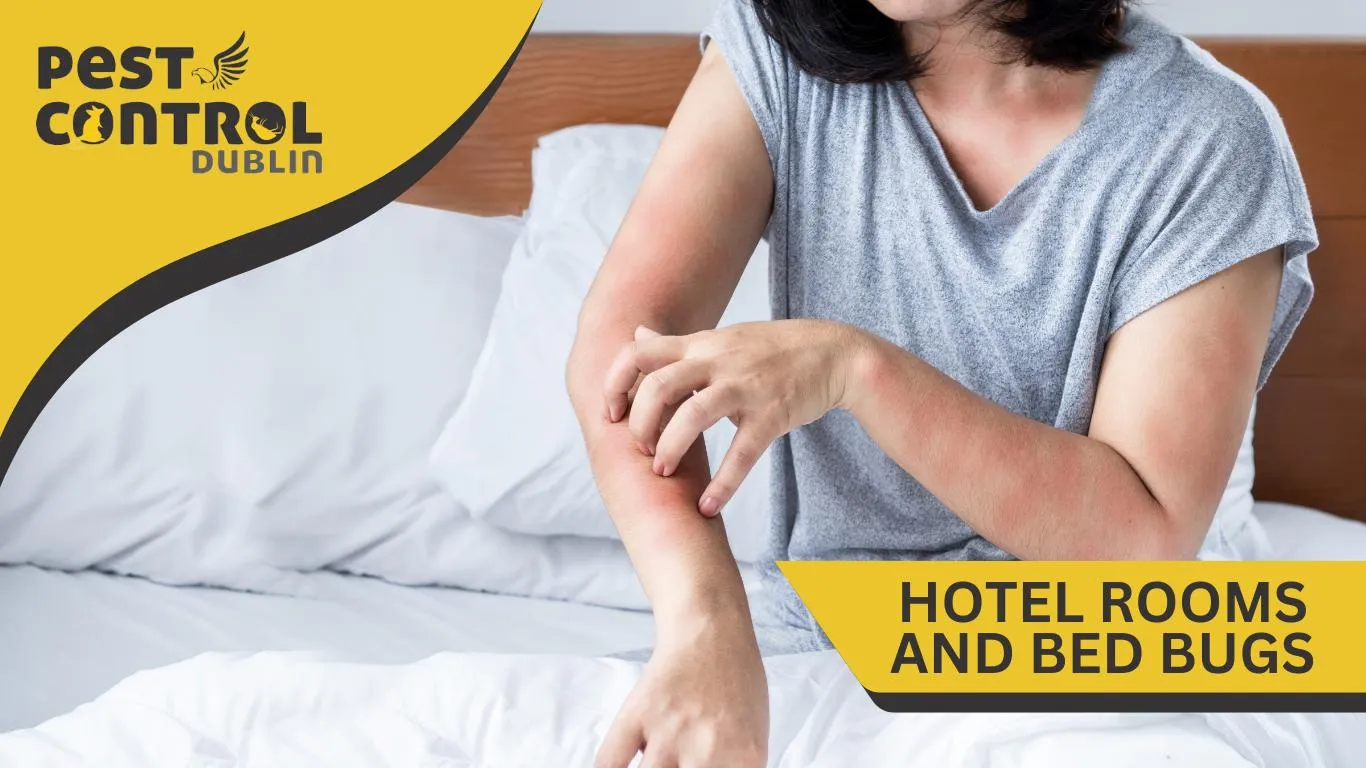
Another sign is waking up with bites on your body. Bed bug bites are usually itchy and appear in small clusters or lines. While not dangerous, they can be very irritating and disrupt your sleep.
Further reading: How to Choose the Right Pest Control Company in Dublin
If you suspect anything unusual, it is best not to take risks.
If you are already seeing signs of spring pests around your home
Pest Control Dublin can help you act early and prevent a small issue from turning into a larger infestation. A quick response now can save a lot of stress later.
Contact our team now or Call: 01-8310353Mid-Stay Advice and When to Take Action
If you find any signs of an infestation, contact the hotel staff immediately and request a different room. Ideally, choose one that is not adjacent to the affected room, as bed bugs can travel through walls and electrical outlets.
For peace of mind, you can also contact a professional advice service. If you are staying in Ireland and need expert guidance, Pest Control Dublin can quickly and effectively identify and treat bed bug infestations.
How to Make Sure You Are Not Bringing Bed Bugs Back to Your Home in Ireland
Even if your stay seems fine, it is still important to take precautions before returning home. Bed bugs are excellent at hiding in luggage, clothing, and fabric folds.
When you arrive home, unpack your suitcase in a controlled area, ideally away from your bedroom. Wash all clothes, even unworn ones, in hot water and dry them on a high heat setting. The dryer is particularly effective at killing any hidden bugs, eggs, or nymphs.
Inspect your luggage carefully, paying attention to seams, zips, and folds. Using a vacuum cleaner can help remove any insects that might be present. Some travellers also temporarily store their suitcases in plastic bags as an extra precaution.
These simple steps can help prevent bed bugs from spreading into your home or flat, where they are much harder to treat.
Why Early Detection Makes All the Difference
The sooner you identify a potential infestation, the easier it is to deal with. Bed bugs reproduce quickly; eggs hatch within a week under the right conditions. Left untreated, a small issue can grow into a widespread infestation that affects multiple rooms.
Most people do not realise they have a problem until it becomes difficult to control. Being proactive while travelling is one of the best ways to protect yourself.
Staying One Step Ahead of Bed Bugs
Checking your hotel room only takes a few minutes, but it can save you weeks of stress. By learning how to find bed bugs early, understanding the signs, and taking simple precautions with your luggage and clothing, you can travel with confidence.
If you ever suspect that bed bugs have followed you home, do not wait. Contact Pest Control Dublin for professional advice and treatment options. Acting quickly is the best way to rid your home of bed bugs and prevent the problem from spreading further.

Helping Dublin stay pest-free for over 20 years. Friendly advice, expert solutions, every time.
FAQs
How often should I check my bed regularly for bed bugs after travelling?
It is a good idea to check your bed regularly for at least a couple of weeks after returning from a trip. Pay attention to any new signs such as dark spots, bites, or unusual marks on your sheets. Early detection makes it much easier to deal with a potential issue before it develops into a full infestation.
Can a person bring bed bugs home without realising it?
Yes, a person can unknowingly carry bed bugs in luggage, clothing, or personal items. These bugs are very small and excellent at hiding, so it is common for travellers not to realise they have been exposed until later. That is why inspecting your belongings after a trip is essential.
What attracts bed bugs to a hotel room or home?
Bed bugs are mainly attracted to carbon dioxide and body heat, not dirt or clutter. This means any person can be a target, regardless of how clean the room is. They typically hide close to where people sleep so they can feed during the night.
If I am not bitten, does it mean there are no bed bugs?
Not necessarily. Some people do not react to bites at all, so a person may not notice any symptoms even if bed bugs are present. It is always better to rely on visible signs, such as stains, eggs, or live bugs, rather than assume everything is fine based on the absence of bites.