If you have ever stepped outside on a warm summer day in Dublin and suddenly noticed swarms of flying insects taking to the skies, you are not alone. This short but intense phenomenon catches many people off guard every year.
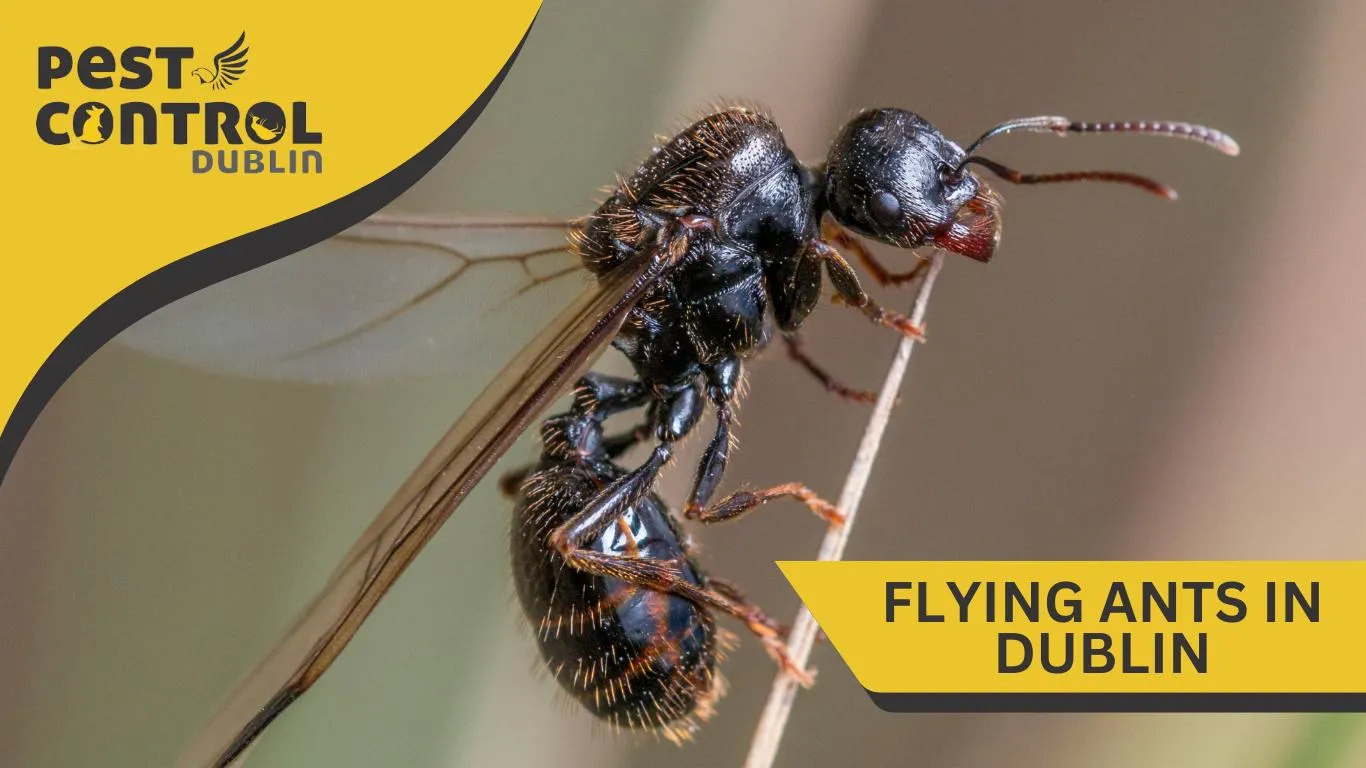
Flying ants in Dublin are a seasonal occurrence that typically appears during the summer months, often around early August, when local weather conditions are just right. These winged ants, usually black garden ants known as Lasius niger, emerge in large numbers in what is commonly called flying ant day. While it may look alarming, this natural behaviour plays a crucial role in the survival of ant colonies. Still, when flying ants emerge near your home or even indoors, it quickly becomes a nuisance that needs attention.
Why are flying ants suddenly appearing in Dublin
The sudden appearance of flying ants is not random. It is a survival tactic designed by nature. During the flying ant season, ant colonies produce winged males and young queens, also known as virgin queens. These ants sprout wings specifically for reproduction.
When the weather conditions align, usually hot and humid weather following rain, swarms of flying ants take to the skies simultaneously. This coordinated event increases the chances of mating across different colonies while overwhelming predators.
This phenomenon occurs across Dublin due to similar local weather conditions, leading to multiple nests releasing flying ants simultaneously. That is why it can feel like the city is suddenly invaded overnight.
What flying ant day actually means
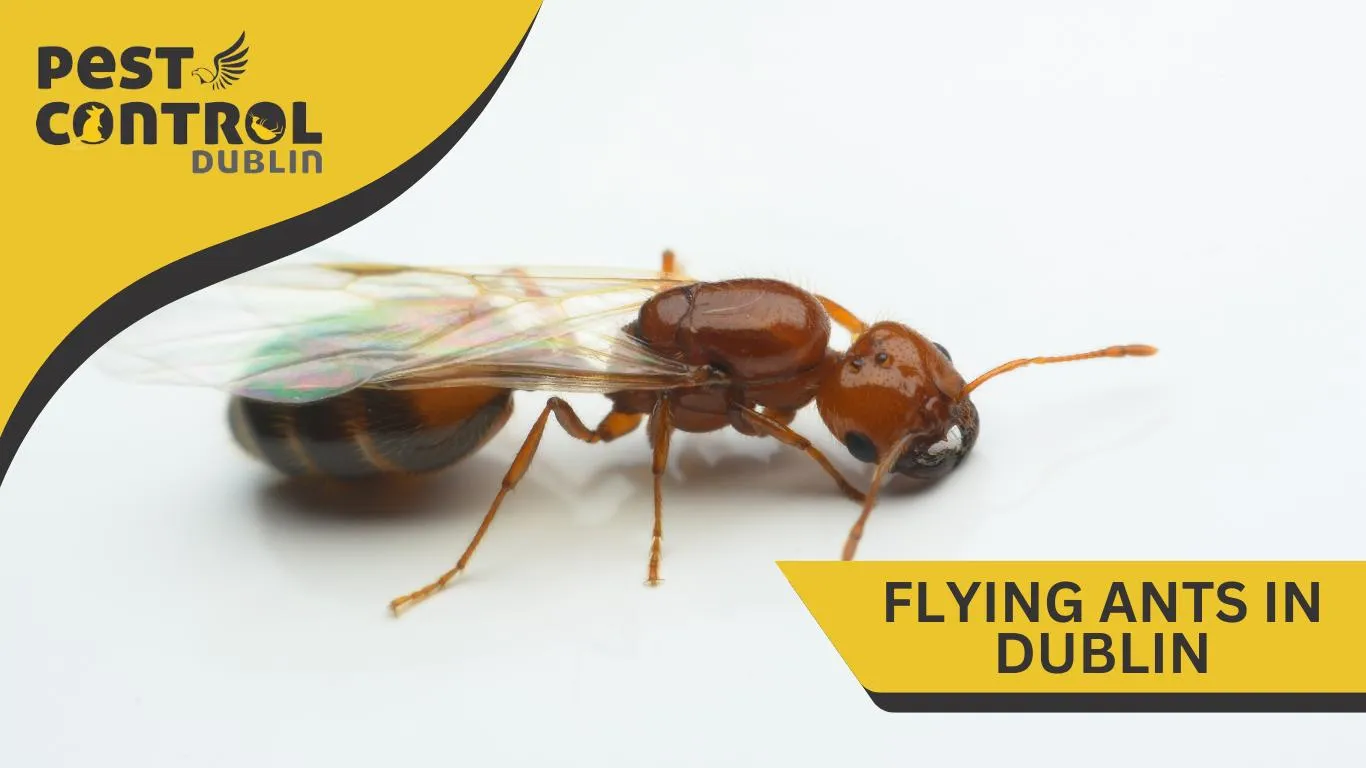
Flying ant day is not just a catchy name. It refers to the brief period during which mating occurs during what scientists call the nuptial flight. During this flight, male ants and female ants leave their nest and fly together in large swarms.
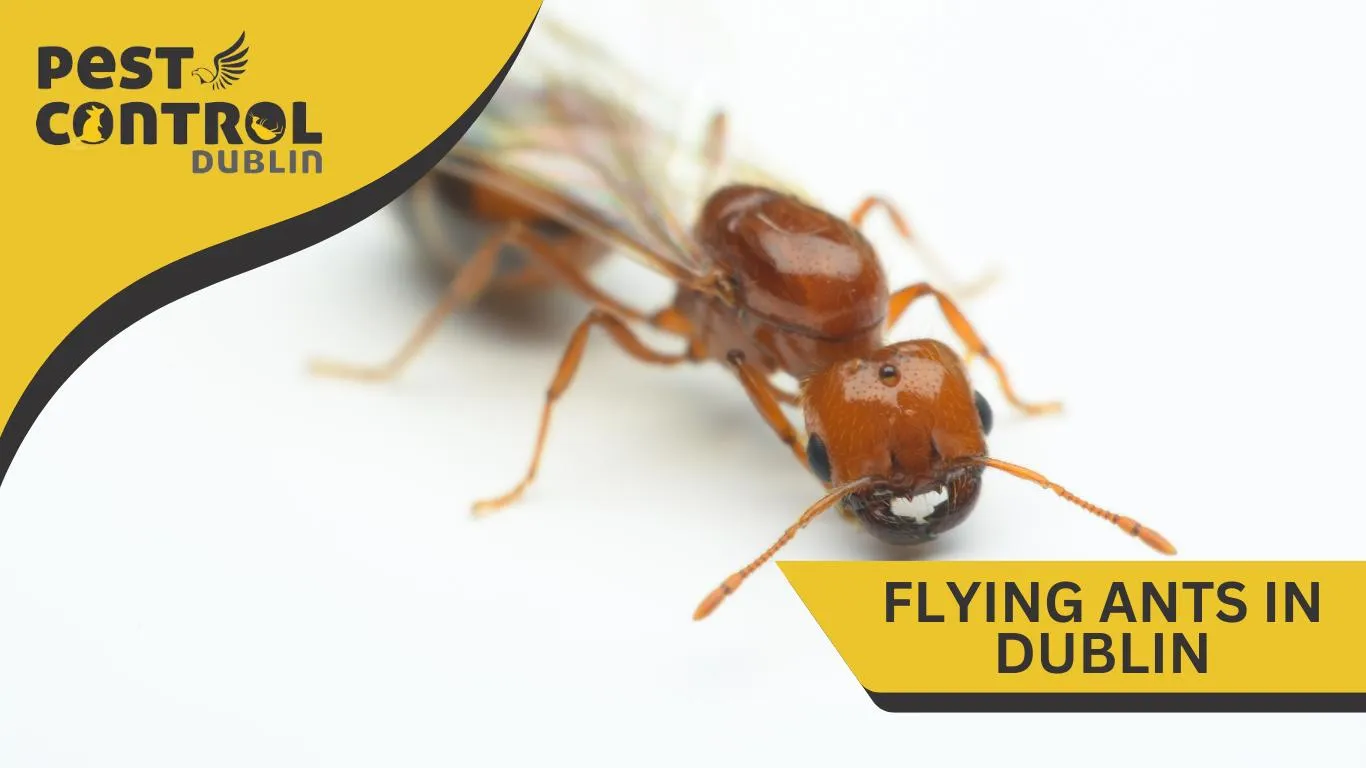
After mating, the male ants die, often eaten on the spot by birds or other predators. The mated queens then land, shed their own wings, leaving behind discarded wings, and search for a place to start a new colony.
Each queen will establish a new nest and produce the first brood of worker ants within a few weeks. This is how entire ant colonies expand and spread across Dublin gardens, patios, and urban spaces.
Further reading: Spring Pest Control: How to Protect Dublin Homes as the Weather Warms Up
Why you might see flying ants indoors
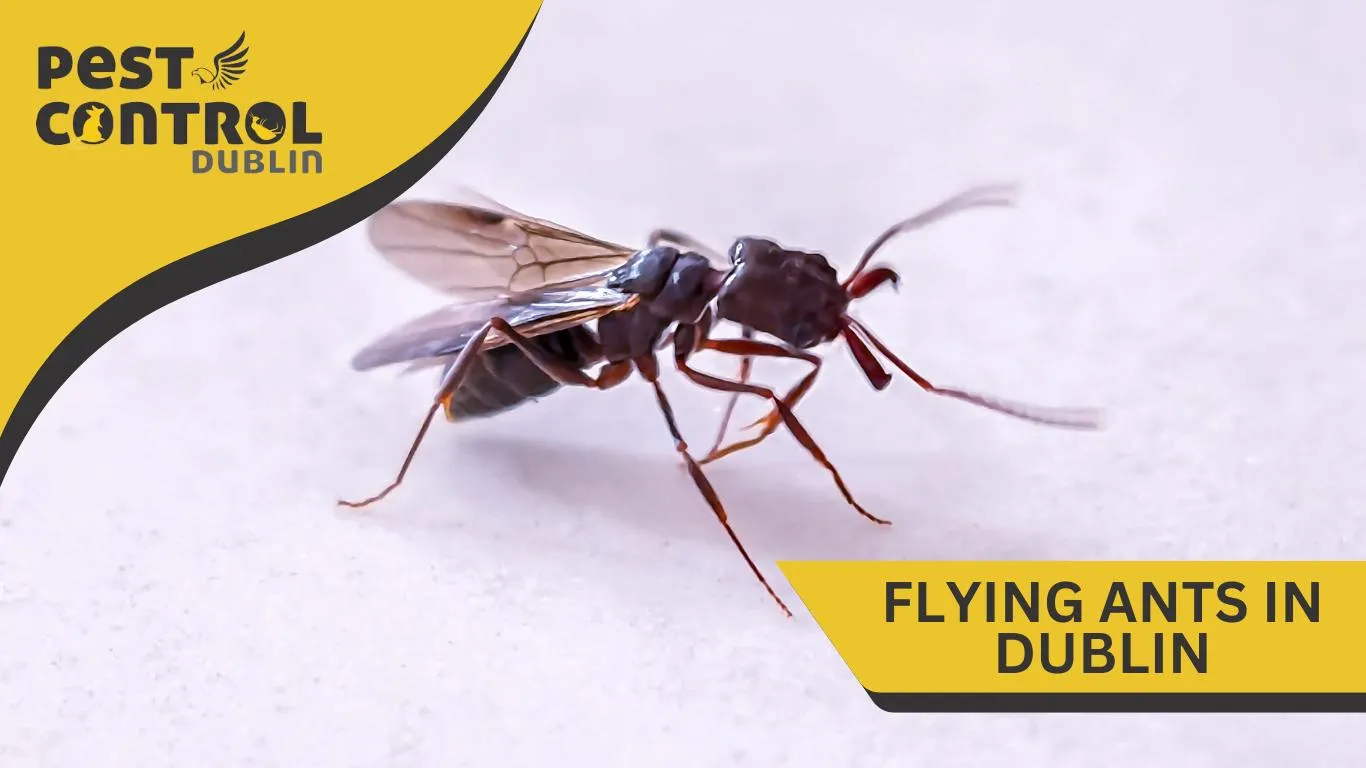
Seeing flying ants indoors is where things get frustrating. This usually means there is a nest nearby or even inside your property. Ant activity increases when ants are searching for a food source, often following a pheromone trail into your home.
Common entry points include window frames, gaps around windows and doors, cracks near kitchen appliances, or spaces under patio slabs. Leaving windows open during humid weather without fly screens can allow winged insects to enter easily.
Homes with accessible food crumbs, unsecured rubbish bins, or poorly sealed airtight containers are especially attractive to ants, taking advantage of an easy meal.
Further reading: How to Choose the Right Pest Control Company in Dublin
Are flying ants dangerous?
Flying ants are not dangerous in the traditional sense. They do not pose serious health risks, and they are not a separate species from regular ants. They are simply ants in a specific life stage.
That said, large swarms can be highly disruptive, especially when they appear indoors or in high-traffic areas like kitchens or back gardens. Their presence can indicate deeper issues such as hidden nests, structural entry points, or ongoing ant season activity.
In some cases, red ants or other species may behave differently, but most flying ants in Dublin belong to the same species, Lasius niger.
Noticing flying ants around your Dublin home or garden?
Contact Pest Control Dublin today. Our pest control experts can identify the source of the ant activity, locate the nest, and provide targeted treatment to stop flying ants and prevent future infestations.
Contact our team now or Call: 01-8310353How to prevent flying ants around your home
Preventing flying ants starts with reducing the conditions that attract them. Keeping windows and doors properly sealed, especially during swarm periods, is essential. Installing fly screens is one of the most effective ways of preventing flying insects from entering your home whilst leaving windows open.
Sealing cracks around window frames and walls can stop ants from accessing indoor spaces. Keeping food sealed in airtight containers and cleaning up food crumbs reduces attraction. Compost should be enclosed, and rubbish bins should be kept tightly closed.
Outdoor areas, such as flower beds and patio slabs, should also be checked for signs of a nest. Ants often build colonies in dry, sheltered spots close to a consistent food source.
Further reading: How to Check a Hotel Room for Bed Bugs Before You Unpack
When pest control is the best option
DIY solutions may help temporarily, but they rarely eliminate the entire nest. Because flying ants come from established colonies, treating only the visible ants does not address the root issue.
Professional pest control services represent a more effective solution. Pest control experts can locate the nest, understand the ants’ behaviour, and apply targeted treatment that disrupts the colony at its source.
This is especially important for businesses installing outdoor seating areas, restaurants, or homes with recurring infestations during the summer months.
What to expect over the next few weeks
The flying ant season is relatively short. Swarm periods typically last a few days to a couple of weeks, depending on weather conditions. After this, flying ants leave the skies, and most of the activity shifts underground as new colonies begin forming.
However, this does not mean the issue disappears. The newly established nests can lead to increased ant activity later in the season, especially if food sources remain available.
Final thoughts on flying ants in Dublin
Flying ants in Dublin may look dramatic, but they are a natural, temporary phenomenon linked to reproduction and colony growth. Understanding why ants fly, what triggers flying ant day, and how colonies expand helps you stay one step ahead.
With the right prevention steps and support from pest control experts when needed, you can reduce disruption and keep your home protected throughout the ant season.

Helping Dublin stay pest-free for over 20 years. Friendly advice, expert solutions, every time.
FAQs
What causes flying ants in Dublin to appear suddenly?
Flying ants in Dublin appear due to a natural event called the nuptial flight. When weather conditions become warm and humid, usually in the summer months, winged ants from different colonies emerge at the same time to mate. This coordinated behaviour increases their chances of survival.
Are flying ants a sign of an infestation in my home?
Not always, but if you see flying ants indoors, it can indicate a nest nearby or on your property. They may be entering through window frames, cracks, or gaps around windows and doors while searching for a food source.
How long does the flying ant season last in Dublin?
The flying ant season is usually short, often lasting a few days to a couple of weeks. However, the timing can vary depending on local weather conditions, with peak activity often happening around early August.
What is the best way to prevent flying ants?
To prevent flying ants, keep windows and doors sealed or install fly screens, store food in airtight containers, clean up food crumbs, and seal cracks around your home. For recurring problems, contacting pest control experts is the most effective way to address the colony’s source.