Silverfish in apartments are usually linked to persistent moisture, poor ventilation and hidden harbourage rather than poor housekeeping. Dublin flats can be particularly vulnerable because bathrooms, shared pipework, wall voids, and damp basements may create connected conditions in which these nocturnal insects can move, hide, and survive.
Further reading: Silverfish Ireland: How to Get Rid of Them (and When to Call an Exterminator)
Key takeaways
Silverfish prefer dark, damp areas with consistently high humidity.
Apartments may provide access through shared walls, service ducts, pipes and basement areas.
One silverfish on the bathroom floor does not always mean a major infestation, but repeated sightings should be investigated.
Reducing excess moisture is usually more important than relying on traps or natural repellents alone.
A building-wide problem may need coordination between tenants, landlords, property managers, and professional pest control.
What do silverfish look like?
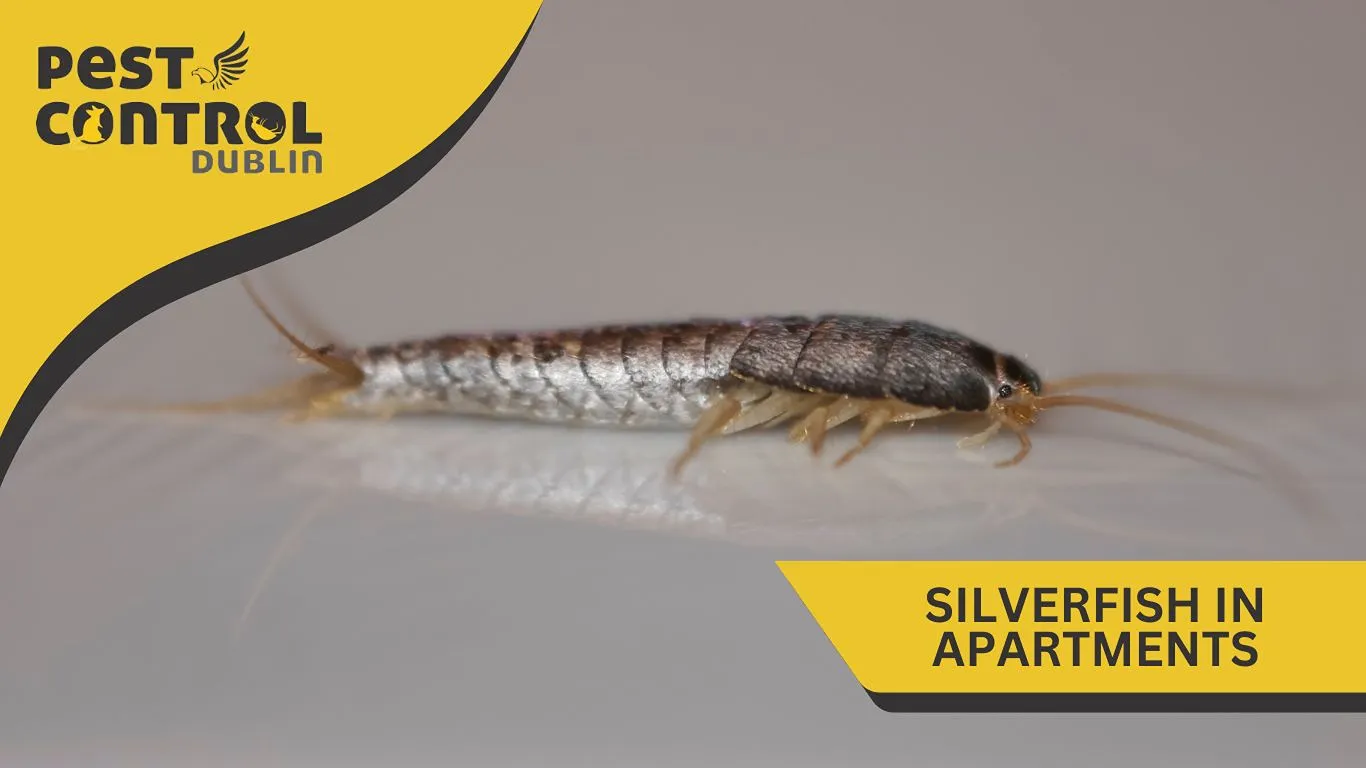
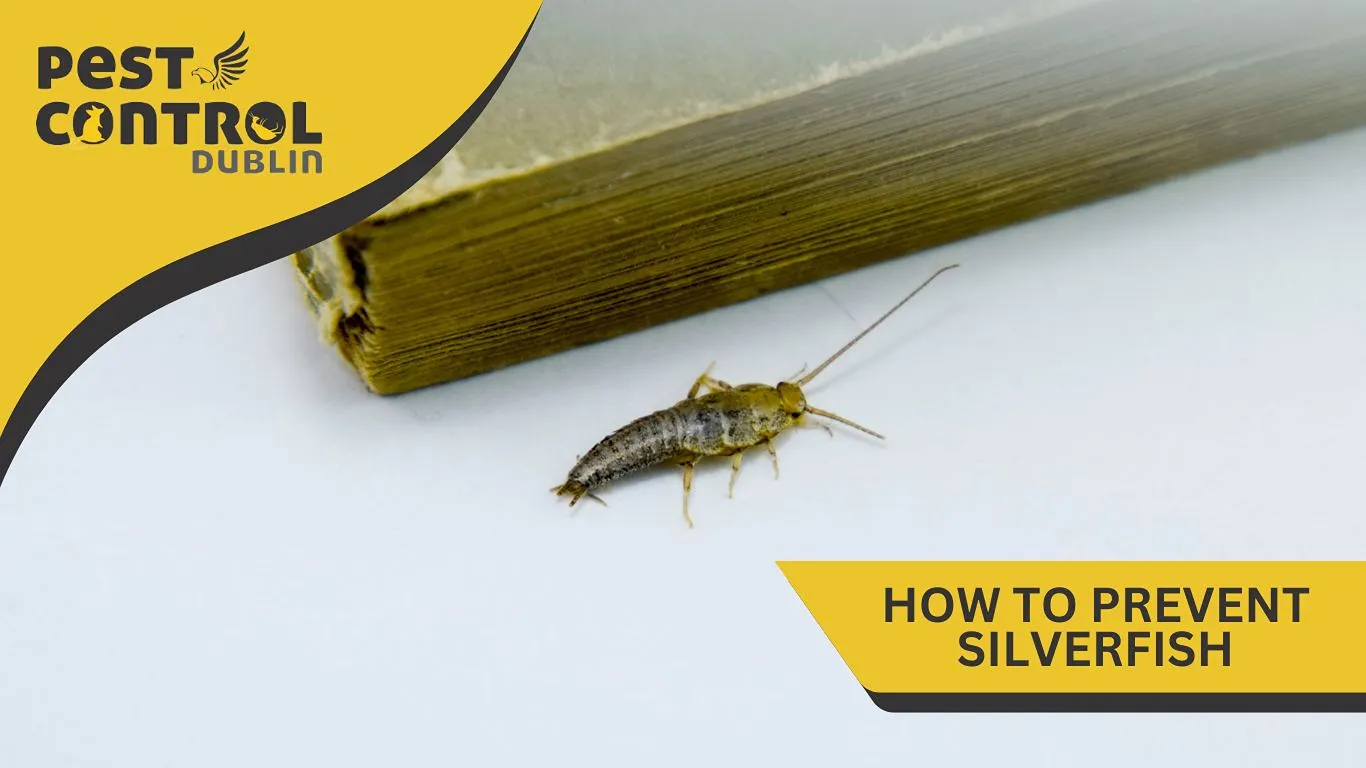
Silverfish are small, wingless insects with a flattened, tapered body covered in silvery-grey scales. Adult silverfish are generally around 8 to 19 mm long, depending on the species and how the measurement is taken. They have two long antennae and three bristle-like appendages at the rear.
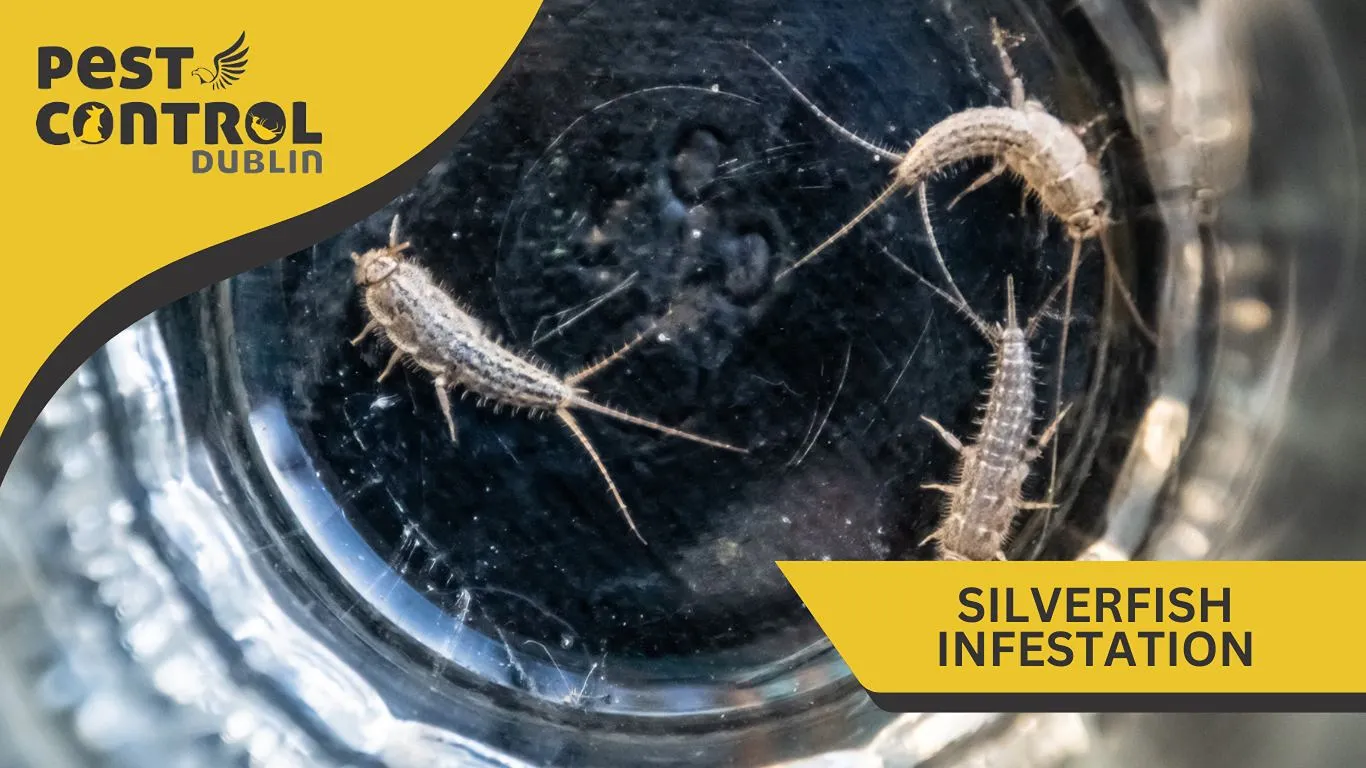
Their movement is fast and slightly fish-like, which explains the name. They are mainly active at night and usually disappear into cracks, behind skirting boards or under furniture as soon as a light is switched on.
Silverfish are sometimes mistaken for young cockroaches, but they are more tapered, have a metallic appearance, and do not have the same broad body shape. Thermobia domestica, commonly known as the firebrat, is a related insect rather than the ordinary silverfish. Firebrats generally favour much warmer locations.
Why are silverfish in apartments so common?
Bathrooms create ideal conditions
A bathroom combines several things silverfish love: moisture, warmth, darkness, and hiding spots.
Activity may be noticed:
along the bathroom floor;
behind the toilet or bath panel;
around pipework;
beneath loose flooring;
inside airing cupboards;
around cracked silicone or damaged grout.
A poorly ventilated bathroom can remain damp long after a shower. If humidity levels stay high, silverfish may survive behind walls or beneath flooring even when the visible surfaces appear dry.
Silverfish are commonly found in humid environments and concealed areas such as bathrooms, laundry rooms, attics, and basements. They generally thrive where relative humidity remains above approximately 75%.
Shared walls and service routes
In a detached house, the source of an infestation may be contained within one property. In an apartment building, things are rarely that tidy.
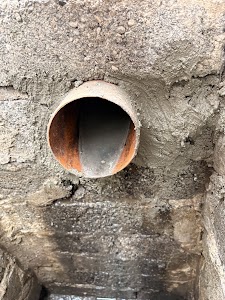
Shared walls, pipe chases, ventilation routes, risers, and gaps around utilities can connect several flats. Silverfish may also be active in a basement, plant room, storage area or laundry room before appearing in apartments above.
Pest Control Dublin has previously dealt with silverfish activity affecting multiple apartments and a shared basement, where damp within the building was an important factor. This type of situation shows why treating one apartment may not solve activity elsewhere in the block.
Finding silverfish does not automatically mean they came from next door. However, repeated activity across several units can indicate a wider building issue rather than something caused by one tenant.
Poor ventilation and hidden damp
A visible leak is easy to understand. Slow condensation, a poorly ventilated bathroom or damp behind fitted units can be more difficult to spot.
Potential contributors include:
extractor fans that are weak or rarely used;
leaking pipes behind cupboards;
condensation around windows and external walls;
wet flooring beneath a washing machine;
damp basement or storage areas;
drying clothes indoors without adequate ventilation.
Silverfish do not create damp, but their presence may be a useful warning that excess moisture has been present for some time.
Signs of a silverfish infestation
Seeing one insect at night does not necessarily mean the entire place is heavily infested. More consistent signs include:
repeated sightings in the same rooms;
silverfish appearing in several parts of the apartment;
activity during the daytime;
tiny scales or pepper-like droppings;
irregular feeding marks on paper or wallpaper;
yellow staining on fabrics, books or stored documents;
damage to cardboard boxes, photographs or book bindings;
insects caught in sinks or bathtubs.
Silverfish may feed on starches, cellulose, glue, cereals, flour, cotton, linen and other carbohydrate-rich materials. Books, wallpaper paste, photographs, stored papers and important documents can therefore provide both food and shelter.
They may also be brought into an apartment inside cardboard boxes, second-hand books, stored furniture or other items moved from an affected building.
Why killing the silverfish you see is not enough
Silverfish hide in narrow crevices, wall voids, flooring gaps and other rarely disturbed areas. Killing one insect on the bathroom floor does not remove the eggs, moisture or food sources supporting the wider infestation.
Silverfish are also unusually resilient. Under suitable conditions, they may survive for several months and potentially close to a year without a regular food source. They can still feed on dust, skin flakes, dead insects, glue and stored paper when obvious food debris has been removed.
There is also a widely repeated claim that silverfish can lay up to 60 eggs per day. This is inaccurate.
Silverfish usually lay small numbers of eggs in concealed cracks and crevices. Their reproduction is not as rapid as that of some cockroaches, but their long lifespan and ability to remain hidden mean an infestation can persist quietly.
How to deter and prevent silverfish
Deal with excess moisture first
Long-term success depends on making the environment less suitable, not simply trying to kill silverfish as they appear.
Check for plumbing leaks, condensation and damp around baths, sinks, washing machines and external walls. Use the extractor fan during and after showers, and keep air vents clear.
A dehumidifier may help in damp rooms. Keeping relative humidity below approximately 60% where practical can make conditions less favourable, although the underlying cause of persistent damp should still be investigated.
Vacuum regularly
Vacuum regularly around skirting boards, cupboards, furniture, flooring edges and other hiding spots. This can remove food debris, dust, scales, droppings and some eggs.
Empty or seal the vacuum contents after cleaning an affected area. Cleaning alone may not eliminate a well-established infestation, but it helps reduce the materials on which silverfish feed.
Protect food and stored belongings
Keep flour, cereals, pet food and other dry goods in airtight containers. Books, papers, photographs and important documents should be stored in dry locations, preferably in sealed containers rather than damp cardboard boxes.
Reducing clutter also makes inspection easier. A collection of undisturbed boxes beside a damp wall is, from a silverfish point of view, rather convenient accommodation.
Seal accessible cracks and gaps
Seal cracks and crevices around skirting boards, pipes and flooring where it is safe and appropriate to do so. Pay particular attention to gaps around bathroom and kitchen pipework.
In an apartment, however, sealing your side of a shared route may not address activity elsewhere in the building. Persistent gaps, leaks or structural defects should be reported to the landlord or property manager.
What about cedar oil, diatomaceous earth and other natural remedies?
Cedar oil is frequently promoted as a natural repellent for silverfish. Some essential oils may temporarily deter silverfish, but they are unlikely to eliminate an established infestation inside walls, flooring or shared service routes.
Diatomaceous earth is another commonly suggested remedy. It works by drying out insects, but it is a fine dust and should not be scattered casually around occupied rooms. Inhalation exposure should be avoided, and only an appropriate, labelled pest-control product should be considered.
Extra care is needed around children, cats, pets, and other animals.
Natural remedies and traps may help monitor or temporarily deter silverfish. They do not repair a leaking pipe, lower humidity in a shared basement or reach every hiding place behind a wall.
When is professional silverfish treatment needed?
Consider arranging a professional inspection when:
silverfish activity continues after moisture has been reduced;
insects are appearing in multiple rooms;
books, wallpaper, clothing or stored papers are being damaged;
several apartments are affected;
the source appears to be inside shared walls or building services;
you cannot identify where the insects are hiding;
previous home treatments have made little difference.
A professional exterminator should inspect the damp areas, harbourage points, stored materials and possible access routes before recommending treatment. In apartment blocks, the inspection may need to consider adjacent units or shared parts of the building.
Professional treatment does not always produce an overnight result. Silverfish eggs can take several weeks to hatch, and activity may continue if moisture or access routes remain unresolved. A treatment plan should therefore combine control, monitoring and practical prevention rather than focusing on one visible insect.
For help with a recurring infestation, see our professional silverfish treatment in Dublin or contact Pest Control Dublin to arrange an inspection.
Pest Control Dublin provides local pest control for Dublin homes, apartments, landlords and property managers, backed by more than 25 years of experience.