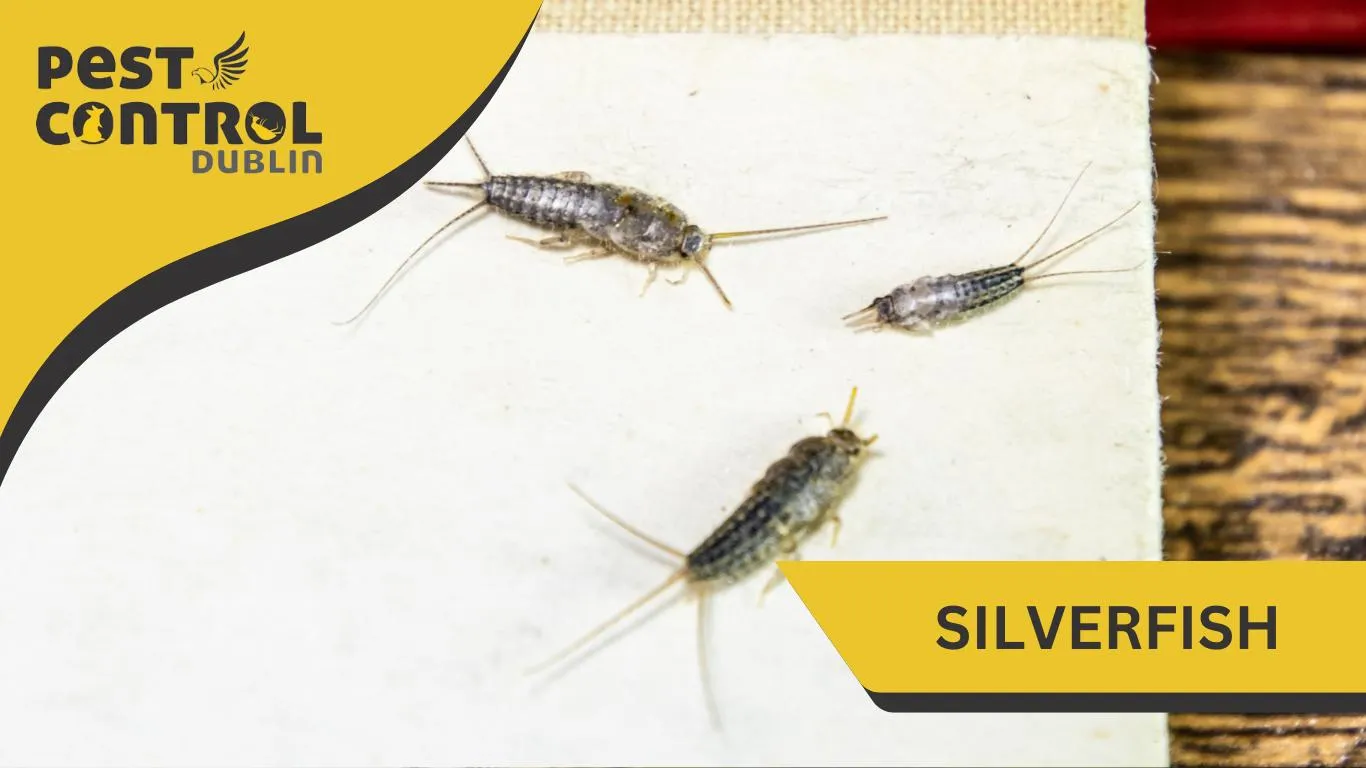
If you have spotted a fast, silvery-grey insect darting across the bathroom floor at night, congratulations, you have met one of Ireland’s most common indoor pests. Silverfish are a common issue in Irish homes, especially in damp environments, older buildings, and hidden gaps, all of which come together like a poorly planned house party.
This guide is for the realistic middle ground. You are not panicking, but you do want to know how to get rid of silverfish properly, which DIY methods are worth your time, and when a silverfish pest exterminator becomes the sensible option.
Silverfish in Ireland: Why do they show up so often
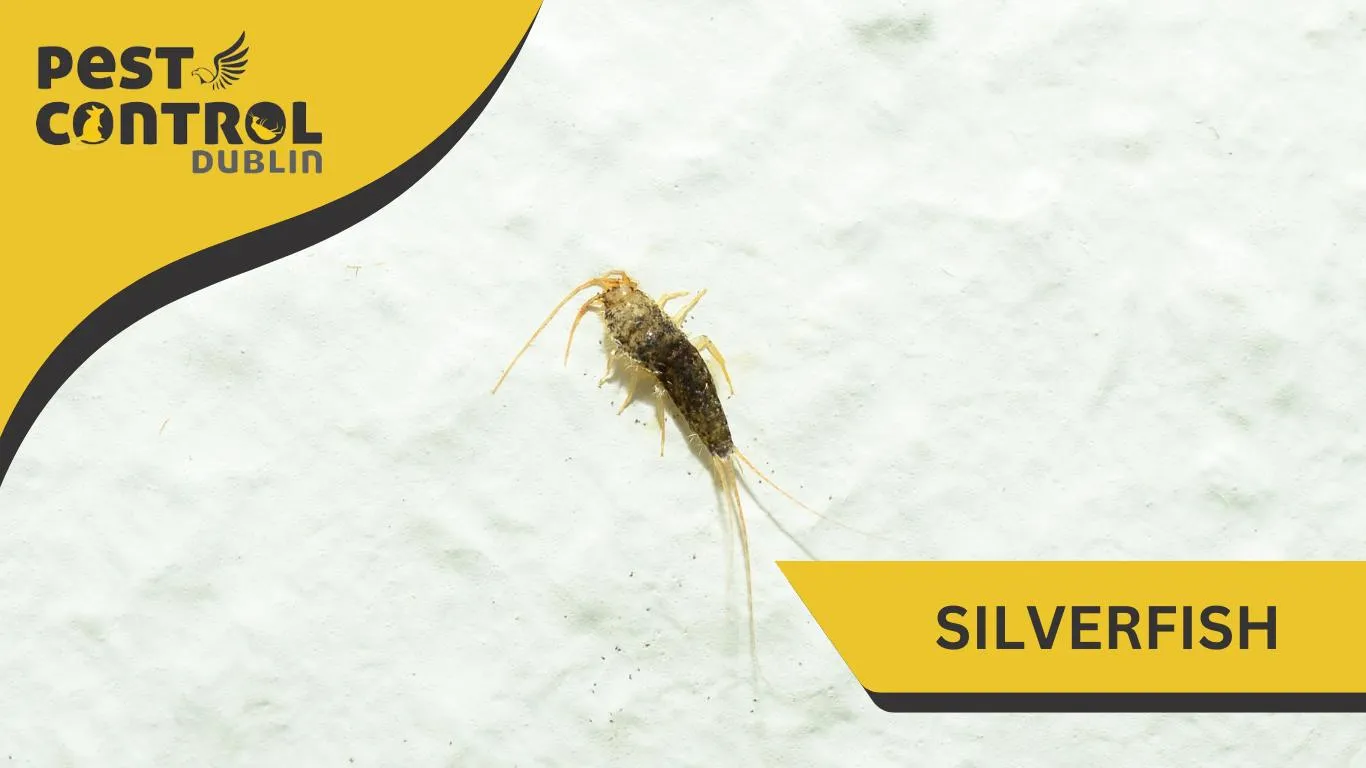
Silverfish are small, wingless insects from the order Zygentoma. Adult silverfish usually measure up to 1 inch long, have long antennae, a silvery grey colour, and a distinctive fish-like movement when they run. They have been around for over 400 million years, which explains why they are annoyingly good at surviving indoors.
Irish homes provide almost perfect conditions
Silverfish thrive in damp, dark environments such as bathrooms, kitchens, basements, attics, and hot presses. High humidity, leaky pipes, and poor ventilation allow them to survive and reproduce comfortably.
They also find food in places most people do not think about
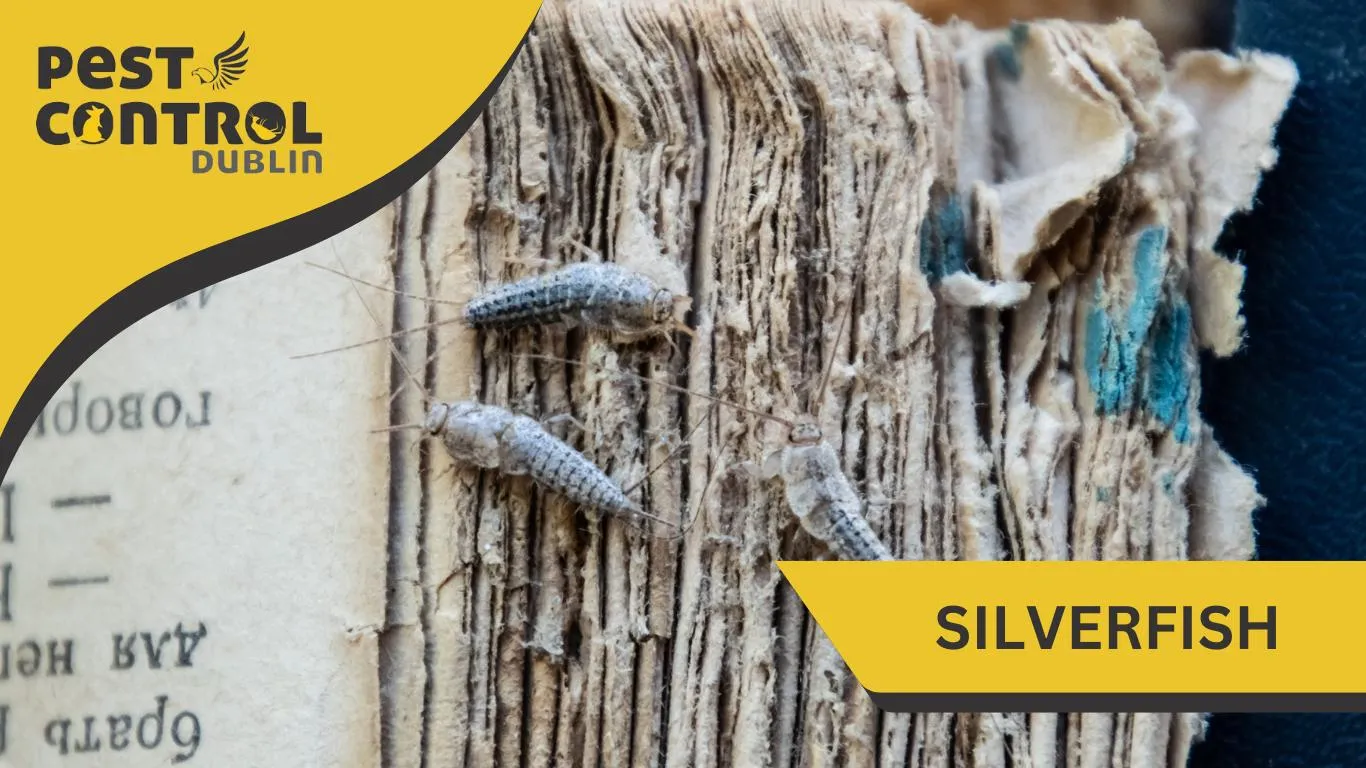
Silverfish feed on carbohydrates and starchy materials such as paper, glue binding, wallpaper paste, fabric starch, crumbs, pet food, dry foods, and pantry items. They will happily chew through cardboard boxes, books, stored paperwork, and even clothing.
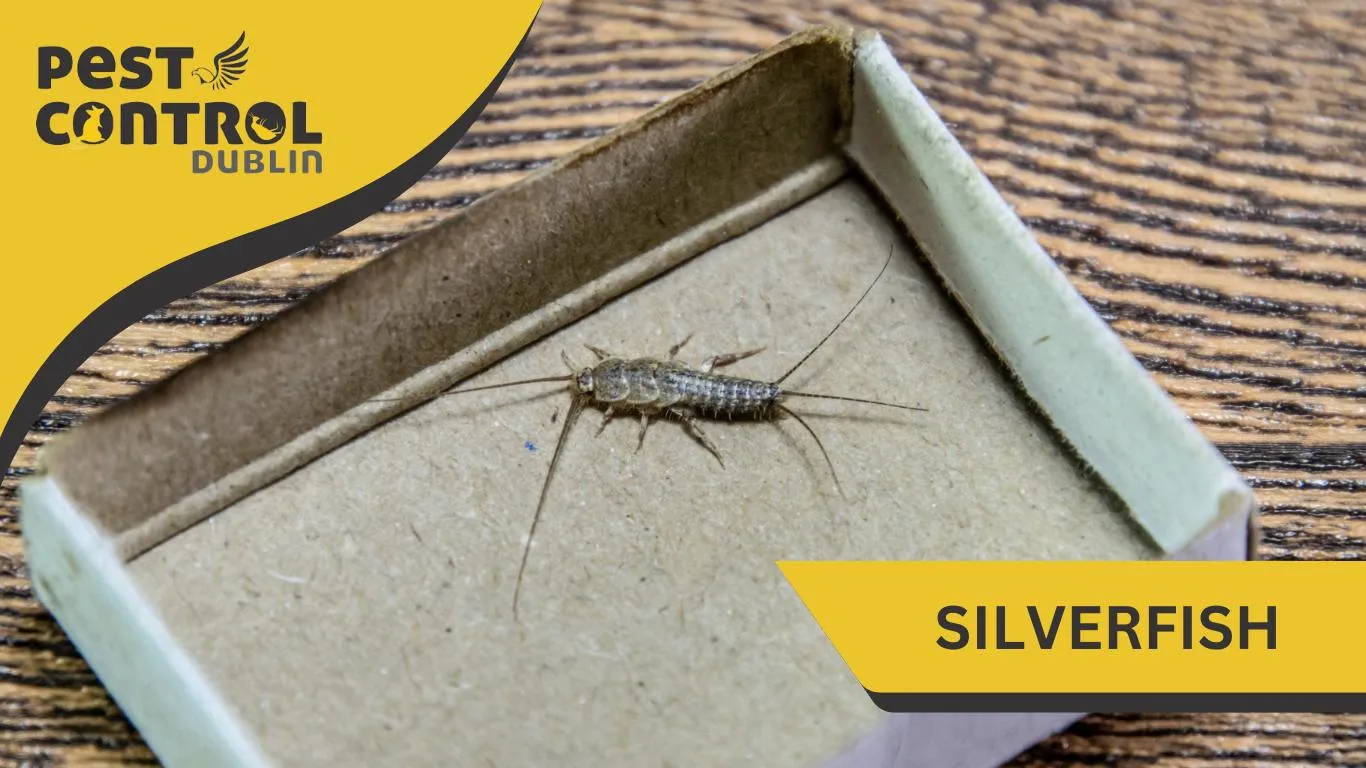
Important reality check. Seeing silverfish does not mean your house is dirty. It usually implies moisture levels are high and there are quiet, undisturbed hiding spots.
Are silverfish dangerous to humans?
Silverfish do not bite humans, do not spread disease, and are not considered a direct health risk. That said, they are still a pest problem.
They can contaminate food items, damage books and documents, leave yellow stains on paper and fabrics, and cause significant damage if left untreated. Their shed skins and droppings also tend to show up in skirting boards, door frames, and storage areas.
Talk To Our Winter Pest Control Experts
If you suspect pest activity or winter infestations in your home, contact our professional team today. We provide discreet and effective winter pest control services across Ireland, helping homeowners identify entry points, eliminate infestations, and restore a safe, pest-free environment.
Contact our team now or Call: 01-8310353One silverfish or a silverfish infestation?
An occasional silverfish can wander in. A silverfish infestation shows patterns.
Signs you are dealing with more than a visitor include:
- Regular sightings, especially at night, silverfish are nocturnal creatures
- Activity in multiple rooms or across floors
- Shed skins in corners, behind skirting boards, or in attics
- Damage to paper goods, fabrics, wallpaper edges, or cardboard boxes
- Silverfish keep appearing even after cleaning and spraying
If silverfish sightings persist for more than 2 to 3 weeks after DIY efforts, this usually indicates a hidden colony and active silverfish eggs somewhere out of sight.
What silverfish actually eat and why that matters
Understanding what silverfish feed on helps eliminate silverfish properly.
Silverfish eat:
- Paper, books, and glue binding
- Fabric starch and stored clothing
- Pantry items and dry foods
- Crumbs, pet food, and food dust
- Wallpaper paste and cardboard
Reducing food sources is just as important as killing visible insects. Store food in airtight containers, remove cardboard storage where possible, and vacuum hidden edges regularly.
DIY methods that actually help reduce silverfish
DIY silverfish control is most effective for small or early infestations. The goal is to reduce humidity, remove food, and block entry points.
Reduce humidity first, always
Silverfish cannot survive or reproduce in dry environments.
- Keep indoor humidity below 50 per cent
- Use a dehumidifier in damp areas like bathrooms, bedrooms, basements, and attics
- Fix leaky pipes and slow drips
- Improve ventilation and run extractor fans longer
If moisture stays, silverfish stay.
Clean the right areas
Surface cleaning is not enough.
- Vacuum skirting boards, floor edges, under cabinets, and behind toilets
- Remove paper dust and crumbs from dark environments
- Declutter storage areas, cardboard boxes are prime hiding spots
Seal entry points and tiny cracks
- Seal gaps around pipes, skirting boards, door frames, and under cabinets
- Fill small holes and cracks where silverfish travel
- Check bath panels, utility cupboards, and attic access points
Useful DIY tools and natural options
- Sticky traps or glue traps help monitor activity
- Glass jar traps with starchy bait and masking tape can catch silverfish
- Diatomaceous earth is non-toxic and effective when applied correctly in dry areas
- Boric acid can help control populations, but it must be used carefully
- Essential oils, bay leaves, lavender, and citrus act as mild natural repellents
DIY methods reduce activity, but they rarely eliminate silverfish once eggs and harbourages are established.
DIY fixes that usually waste time
- Bleach or vinegar everywhere
- One-off aerosol sprays
- Relying only on natural deterrents
- Treating one room when the problem spans the house
These may kill visible silverfish, but they do nothing for silverfish eggs, hidden routes, or long-term prevention.
When to call a silverfish pest exterminator
Professional silverfish pest control becomes necessary when:
- Silverfish appear in multiple rooms or floors
- DIY methods fail after a few weeks
- There is a large or recurring infestation
- Stored items, books, or documents are at risk
- The property is an apartment block with shared routes
Larger infestations require professional treatment to ensure complete elimination and prevent future infestations.
What professional silverfish pest control looks like
Good pest control services do not rely on blind spraying.
A professional visit usually includes:
- A thorough inspection to identify breeding sites, harbourages, and entry points
- Targeted application of residual insecticide in floor and wall junctions, cracks, and voids
- Use of glue traps to monitor remaining activity
- Moisture control and proofing advice
- Integrated pest management plans for long-term prevention
Residual insecticide treatments can remain effective for up to three months when applied correctly.
Many companies now offer eco-conscious, non-toxic options where appropriate.
Silverfish pest control in Dublin: how Pest Control Dublin handles it
At Pest Control Dublin, silverfish infestations are treated as a condition problem first, not just an insect problem. Silverfish are usually a symptom of indoor conditions, so we focus on fixing the environment as well as treating the infestation
Every silverfish pest control job starts with a thorough inspection to identify harbourage areas, moisture sources, entry points, and signs of silverfish eggs or ongoing activity. This is essential because surface spraying alone rarely solves a silverfish infestation in the long term.
Treatment typically includes:
- Targeted application of residual insecticide in cracks, skirting boards, floor and wall junctions, and hidden voids where silverfish travel and hide
- Focused treatment of damp areas such as bathrooms, kitchens, attics, basements, and utility rooms
- Advice on moisture control and proofing, including ventilation improvements and sealing tiny cracks and gaps
- Clear guidance on prevention to make future infestations far less likely.
This targeted approach allows Pest Control Dublin to eliminate silverfish effectively while avoiding unnecessary over-treatment. For larger infestations or recurring activity, follow-up options are available to ensure the problem is fully resolved.
If silverfish sightings have continued despite DIY methods, or if activity has spread across multiple rooms or floors, professional treatment is usually the fastest and most reliable solution.
How to prevent future silverfish infestations
Long-term prevention is boring house maintenance, which is precisely why it works.
- Maintain low humidity and improve ventilation
- Seal entry points and tiny cracks
- Store food in airtight containers
- Avoid cardboard storage in damp areas
- Monitor hotspots with traps
- Keep skirting boards and storage zones clean
If moisture levels rise again, silverfish will return. They are loyal like that.
Final word
If you are seeing recurring silverfish activity, especially outside bathrooms or damp areas, the problem is rarely just what you can see. Silverfish leave clues, but they live out of sight.
DIY methods are acceptable for the early stages. Once infestations grow, professional pest control services save time and frustration and prevent future infestations.
If you are in Dublin and want the issue addressed methodically rather than emotionally, a professional inspection is the smart next step.

Helping Dublin stay pest-free for over 20 years. Friendly advice, expert solutions, every time.
FAQs
Do silverfish mean damp or mould?
Not always, but silverfish thrive in humid environments. High humidity, condensation, and poor ventilation make a silverfish problem much more likely. Improving airflow and maintaining proper ventilation often significantly reduces activity.
Can silverfish come from neighbours?
Yes. In apartment blocks and terraced homes, this common pest can move through shared service routes, wall voids, and tiny gaps between properties. This is why sealing entry points helps prevent infestations.
How fast do silverfish reproduce?
Silverfish reproduce steadily rather than explosively. A single female can lay between 2 and 20 eggs every few days, adding up to around 100 eggs in her lifetime. This means adult silverfish can keep appearing even after some are removed.
What is the best way to kill silverfish?
Killing visible silverfish helps reduce numbers, but it does not solve the root of the problem. The most effective approach combines moisture control, proper ventilation, removal of food sources, and targeted treatment. Without addressing conditions, silverfish return.
How can I prevent silverfish long-term?
To prevent silverfish, reduce humidity, fix leaks, improve ventilation, store food properly, seal cracks, and keep storage areas dry and clutter-free. Preventing infestations is mainly about controlling the environment they rely on.
Is professional pest control worth it?
Yes, especially for ongoing or widespread infestations. Professional pest control brings proper knowledge of silverfish behaviour, treatment methods, and prevention strategies, making it the most reliable way to resolve a persistent silverfish problem.