A professional hoarded house clean-up in Dublin begins with a confidential survey. The team agrees what must be kept, who can make decisions and which rooms need attention first. Clearance, deep cleaning and any necessary pest treatment are then planned around the property and the person affected.
If you need practical help now, see our hoarding cleaning services in Dublin. This guide explains the survey, clean-up and follow-up.
Understanding hoarding disorder
Hoarding disorder is a recognised mental health condition, not simply untidiness, collecting or a lack of effort. It involves persistent difficulty parting with possessions, regardless of their financial value. The need to save items, and the distress connected with discarding them, can gradually fill living areas until rooms can no longer be used as intended.
For the person affected, possessions may be connected to memories, identity, safety or a sense of responsibility. That is why arriving with bin bags and making rapid decisions on someone else’s behalf can create distress and damage trust. A respectful clean-up agrees the pace, priorities and decision-making process before anything is removed.
Hoarding disorder is not automatically the same as obsessive-compulsive disorder, although the conditions can exist together. Only a qualified mental health professional can diagnose it. Cleaning can reduce hazards and restore access, but it does not treat the disorder itself.
The process at a glance
- The survey confirms priorities, access and decision-maker.
- Belongings follow an agreed keep, review and remove plan.
- Work can be completed in stages when appropriate.
- Pest treatment is provided only when evidence is found and treatment is agreed.
- The quotation reflects access, clearance volume and cleaning required.
Before a hoarded house clean-up begins
The first visit assesses the property without pressuring anyone into immediate decisions. It covers access, removal volume, pest signs and areas needing specialist attention.
The survey also confirms the rooms included, authorised decision-maker and priority belongings. With the scope agreed, the team can explain the sequence and provide a property-specific quotation.
Dublin property factors that can shape the clean-up
In Dublin, access can affect the job as much as property size. Older terraces may have narrow halls, steep stairs and no side entrance, while upper-floor flats can mean shared corridors and limited parking. Apartment blocks may also require lift access or arrangements with a managing agent. Where pests are suspected, shared walls, service ducts and communal bin areas may need to be considered in the plan.
What happens to belongings?
A professional clean-up should not mean that everything is automatically thrown away. Before clearing begins, agree how belongings will be separated: items to keep, items needing a decision and items approved for removal. Suitable items may also be separated for recycling or donation where practical.
Tell the team about important documents, photographs, jewellery, keys, medication or sentimental possessions before work starts. If the resident will not be present, the authorised contact should be reachable when an unclear item is found.
The hoarder house clean-up process, step by step
Survey and written scope
The team records the rooms, access arrangements, decision-maker, priorities and known risks. The quotation should make clear what is included.
Safe access and work sequence
The work is sequenced so the team can move safely. Unaffected areas can be kept separate where possible, and urgent access routes prioritised.
Sorting and setting aside
Belongings are separated according to the agreed plan. Items marked for keeping are moved away from material approved for removal.
Clearing and removal
Approved material is removed in a controlled sequence. Its volume, type and the property access determine whether more than one collection is required.
Deep cleaning and hygiene work
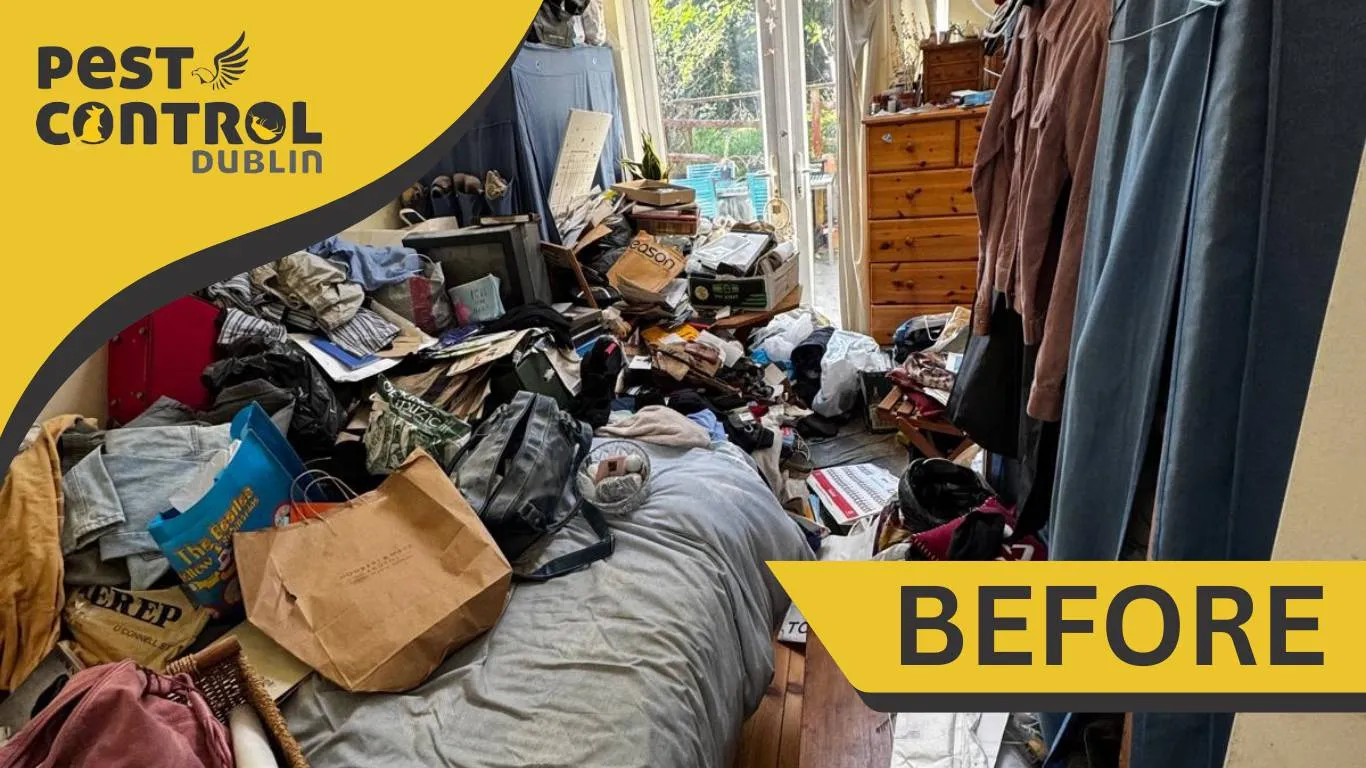
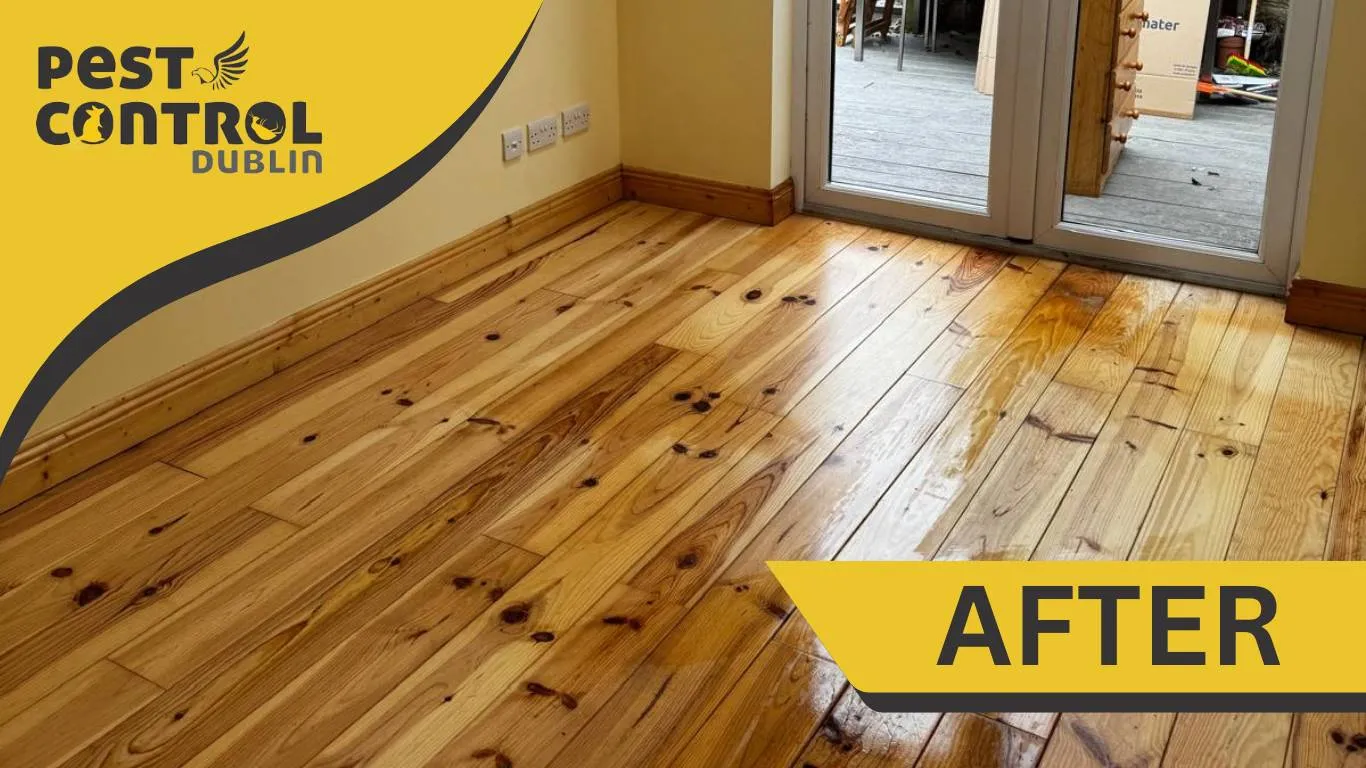
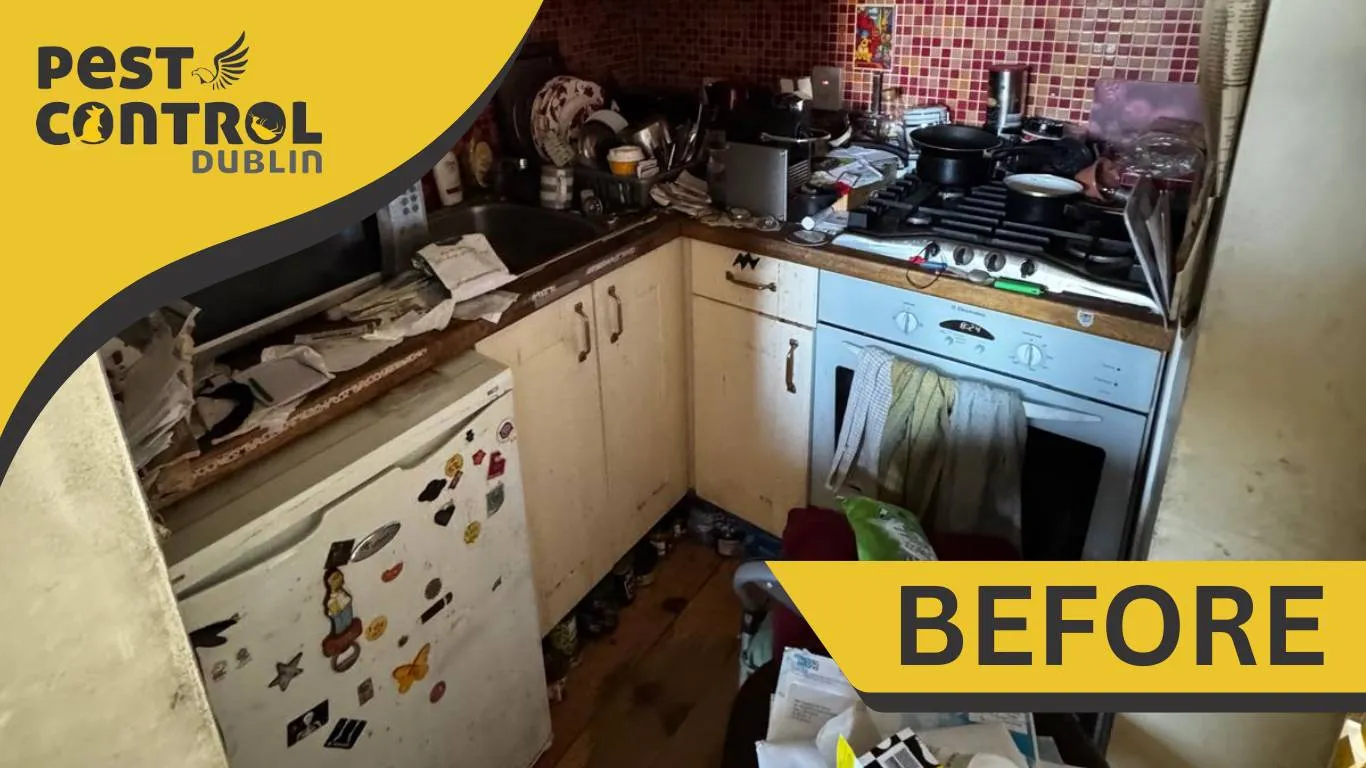
Once surfaces can be reached, the agreed rooms are cleaned. Work may include built-up dirt, fixtures, floors, odours and localised contamination.
Pest work and final review
If pest evidence is present, treatment is timed around the clearing work. The job finishes with a walk-through, any limitations and next steps.
Timings, access and preparation
How long does the clean-up take?
A small, contained clean-up may be completed in a day. A larger property, restricted access, extensive sorting, pests or heavy hygiene work can require several days or stages. The survey provides the most realistic estimate.
Does the resident need to be there?
Not necessarily. The resident can nominate a family member, landlord or professional representative. The team needs permission to enter and an authorised person available for questions about belongings.
What should be prepared?
- Choose one authorised person to make or confirm decisions.
- List priority documents, valuables, photographs, medication and other important items.
- Identify rooms, cupboards or possessions that must not be touched.
- Share known information about pets, pest activity, sharps, damaged floors, utilities or restricted access.
- Arrange keys, parking, building access and contact details for the day of the work.
If pests or contamination are found
Not every hoarded property has a pest problem. Stored food, hidden gaps and undisturbed areas can, however, conceal rodents or insects. If evidence is found, the team can explain when treatment should happen. Read more about pest infestations in hoarded properties.
Contamination, mould, damaged flooring or structural problems can change the scope. Some materials may need replacement, and repairs or another specialist may be required. Our guide to hoarding-related health and safety risks explains the warning signs.
What happens after the clean-up?
The final walk-through confirms completed work, retained items and anything outstanding. Next steps may include pest follow-up, repairs, ventilation or ongoing cleaning.
A cleared home is an important practical step, but it does not resolve why the situation developed. A realistic maintenance plan and appropriate personal support can help protect progress. See our hoarding relapse-prevention checklist.
Need discreet, compassionate help with a Dublin property?
A hoarding clean-up is not an ordinary house clearance. Our local team will listen first, respect the agreed boundaries and explain each step without judgement or pressure.
Frequently asked questions
How is the cost of a hoarded house clean-up calculated?
Cost is based on property size, the volume and type of material being removed, access, sorting time, hygiene work and whether pest treatment is needed. Following the confidential survey, the team provides a property-specific quotation explaining the agreed scope clearly.
Can the clean-up be completed in stages?
Yes. Staged work can be agreed when the property is large, the resident needs more time to make decisions or specific rooms are urgent. The survey helps establish sensible phases, priorities and access arrangements before the first visit takes place.
Will everything in the property be thrown away?
No. Belongings are handled under an agreed keep, review and remove plan rather than being discarded automatically. Before work begins, identify priority documents, photographs, jewellery, medication and sentimental items, and nominate someone who can answer questions if an uncategorised item is found.
Is the hoarding clean-up service confidential and discreet?
Yes. Hoarding clean-up should be discussed and carried out privately, respectfully and without judgement. During the survey, you can explain who may receive updates, who can authorise decisions and any access arrangements needed to reduce unnecessary attention at the property.
Can pest control be carried out during the clean-up?
Yes, if evidence of an infestation is found and treatment is agreed. Pest work may need to happen before, during or after clearing, depending on the species, harbourage and areas that can be reached safely. Not every hoarded property requires pest treatment.
Related hoarding guides