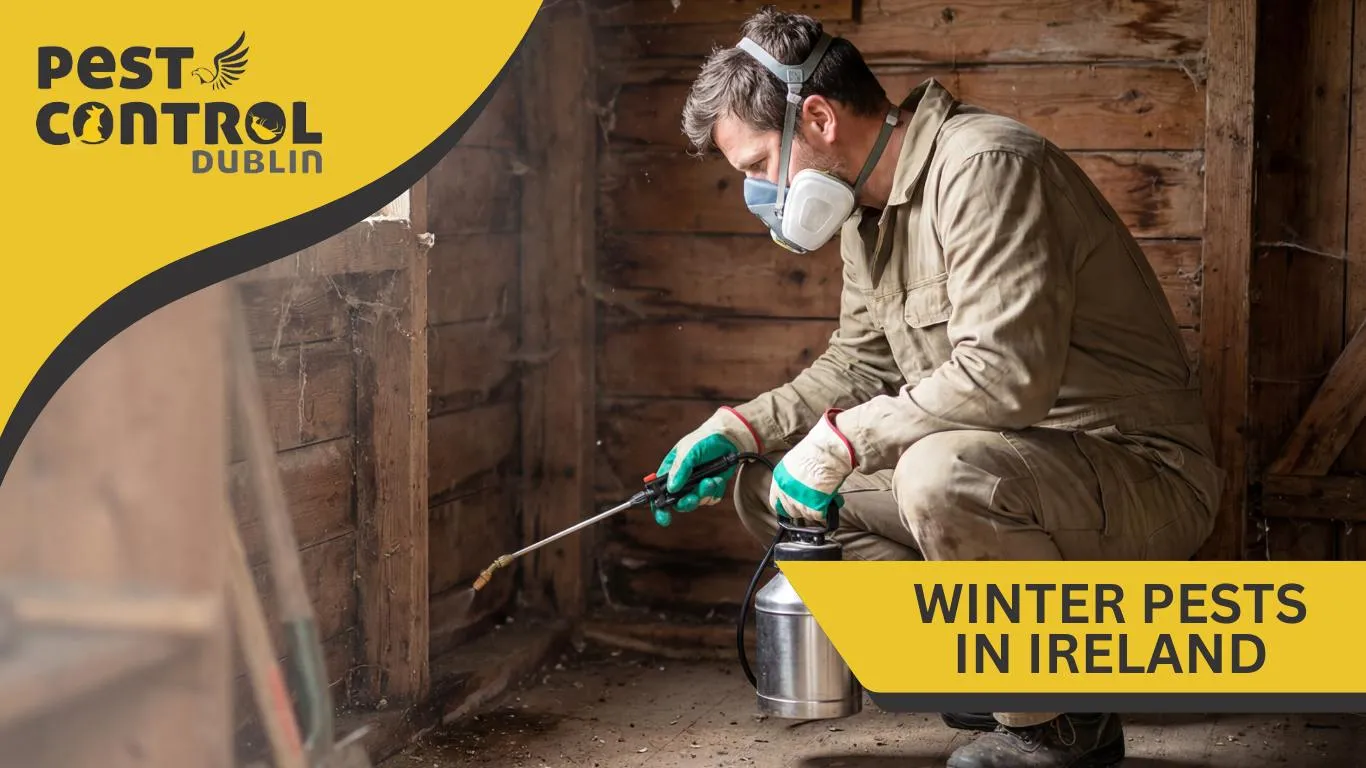
When Irish weather turns damp and cold, pests invade homes instead of disappearing.
As outdoor temperatures fall, many pests in Ireland move from gardens into warm spaces such as attics, wall voids, crawl spaces, and kitchens. This shift means winter becomes one of the busiest seasons for indoor pest activity, especially in built-up Dublin, where food and shelter are more readily available.
To help you prepare for this seasonal challenge, this guide covers the most common winter pests in Irish homes, the signs to watch for, and practical steps to prevent minor problems from becoming severe infestations.
The usual suspects: rats and mice
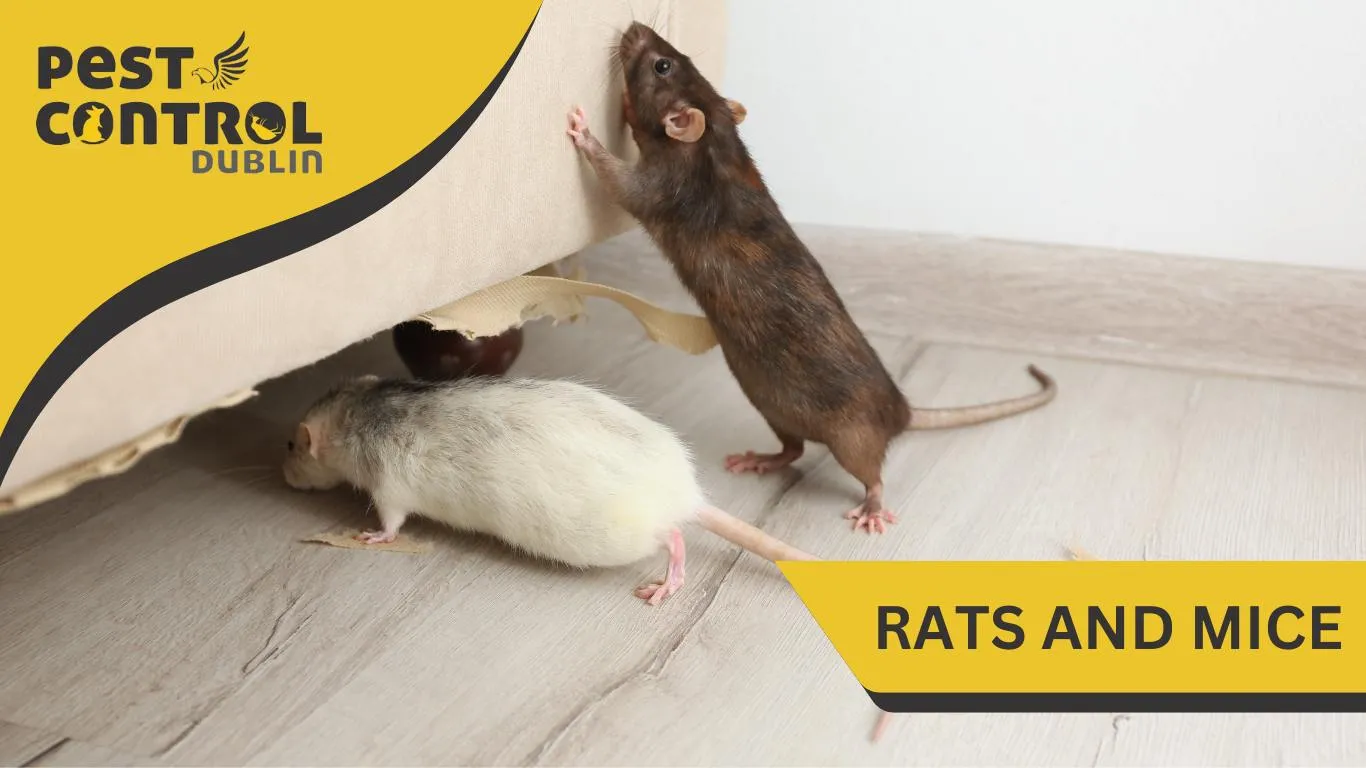
Rats and mice are Ireland’s most troublesome winter pests.
They enter through gaps, broken vents, holes by cables or pipes, and overhanging branches.
Common signs include scratching sounds, droppings, gnaw marks, strong odours, and damage to insulation or wiring. Rodents contaminate food, spread diseases, create fire hazards by chewing electrical cables, and cause serious property damage if left unchecked.
Early intervention is essential.
Further reading: 5 Solutions for Rodent and Pest Problems in Dublin
Talk To Our Winter Pest Control Experts
If you suspect pest activity or winter infestations in your home, contact our professional team today. We provide discreet and effective winter pest control services across Ireland, helping homeowners identify entry points, eliminate infestations, and restore a safe, pest-free environment.
Contact our team now or Call: 01-8310353Other common winter pests in Irish homes
While rodents often get the most attention, it’s crucial to recognise that other pests can cause just as much disruption during the winter months. The next sections highlight several of these less-discussed but equally important winter intruders.
Cluster flies
Cluster flies are one of the most common winter pests in Ireland, particularly in rural and semi-rural areas.
In colder months, cluster flies shelter in roofs, walls, and attics and gather near indoor light sources.
Although cluster flies do not contaminate food or directly spread disease, large numbers can distress occupants by gathering in living areas, lowering hygiene standards, and hinting at gaps in rooflines or vents that can let in other pests.
Silverfish
Silverfish thrive in damp, undisturbed areas such as bathrooms, utility rooms, hot presses and storage areas.
Silverfish feed on starch-based materials like paper, cardboard, fabrics, and adhesives. They’re more noticeable in winter due to increased humidity and reduced ventilation.
Further reading: Silverfish in Ireland: How to Get Rid of Them (and When to Call an Exterminator)
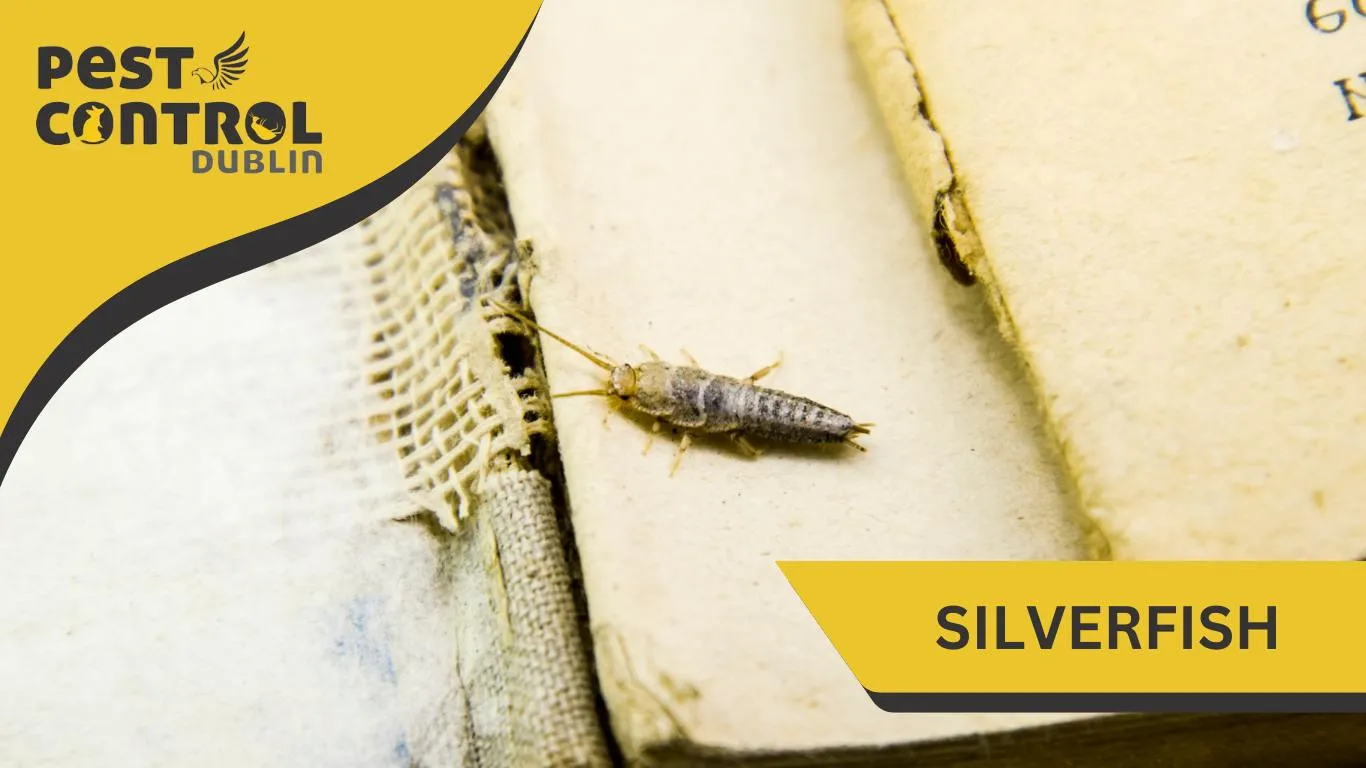
Signs include cast skins, minute droppings, and damage to stored items. Silverfish can ruin paper goods, books, and clothes, causing costly harm if left unchecked, especially to irreplaceable personal items.
Spiders
Most spiders move indoors during colder months to seek warmth and find food.
Spiders hide in sheds, garages, under stairs, attics, and spare rooms, spinning webs near lights.
Although usually harmless, a spike in spiders may indicate a larger insect infestation, as spiders feed on other pests. While most pose little danger, their webs and presence can concern residents and highlight broader pest issues.
Clothes moths
Clothes moths are often overlooked as winter pests until visible damage appears.
Warm bedrooms, wardrobes, and storage create ideal winter conditions. Larvae consume natural fibres such as wool, cashmere, carpets, and upholstery, leading to holes, thinning, and expensive damage that may go unnoticed until it is severe.
Infestations usually result from undisturbed clothing or poor storage. Airtight containers, regular vacuuming, and fast action prevent issues.
Cockroaches
Cockroaches are active year-round in consistently warm environments, such as apartment blocks and commercial kitchens.
They hide behind appliances, in wall voids, crawl spaces and service ducts. Cockroaches can cause allergic reactions and asthma, contaminate food, and spread germs, putting health at risk, especially in shared buildings.
Their presence signals food, moisture, and hidden shelter. Professional pest control is crucial; DIY often fails.
Further reading: Are there cockroaches in Ireland? Spring tips for a roach free home
Carpenter ants and other insects
In some Irish properties, carpenter ants and other insects may seek shelter during winter. Carpenter ants weaken structures by tunnelling through damp wood, potentially resulting in costly repairs if left unchecked, especially in areas with moisture.
Though less common than rodents, they can cause major damage if ignored.
Where winter pests like to hide
Winter pests favour warm, quiet and undisturbed places, including:
- Attic spaces and roof spaces
- Wall voids and crawl spaces
- Kitchens with food and pet food accessible
- Utility rooms and hot presses
- Sheds, garages and storage areas
- Under decking and garden structures close to the home
Regular inspections help detect emerging problems promptly.
Winter pest prevention checklist for Irish homes
Seal entry points, manage food and waste, reduce moisture, and limit outdoor shelter to prevent pests.
1. Seal entry points
- Fit bristle strips to exterior doors.
- Seal gaps with steel wool and rodent-proof materials.
- Repair damaged vents, fascia boards and rooflines
- Close tiny gaps and cracks around pipework
2. Manage food and waste
- Store food and pet food in airtight containers
- Clean spills immediately
- Keep bins closed and away from doors.
- Remove accessible food sources.
3. Reduce moisture
- Fix leaks and dripping taps.
- Improve ventilation
- Avoid condensation and damp.
4. Reduce outdoor shelter
- Trim tree branches away from roofs
- Clear debris and stored materials near walls
When to seek professional pest control services
You should contact professional pest control services when:
- Pest activity continues despite preventative measures.
- You suspect a serious infestation.
- You notice property damage, gnaw marks or health risks.
- You are unsure which species you are dealing with
- Pests are present in shared or commercial buildings.
Professionals can find entry points, use safe treatments, and offer expert tips for a pest-free winter.
By staying proactive and following the strategies outlined above, you can keep your home pest-free this winter and enjoy greater peace of mind.
Further reading: Spring Pest Control: How to Protect Dublin Homes as the Weather Warms Up
Need help with winter pests in Dublin or the surrounding area?
Don’t delay ! Secure your home against winter pests now. Call Pest Control Dublin at 01-8310353 or use our online contact form today to schedule your confidential winter pest inspection. Take action now for peace of mind all season long.

Helping Dublin stay pest-free for over 20 years. Friendly advice, expert solutions, every time.
FAQs
Why do pests come into Irish homes during winter?
When temperatures drop and weather turns damp, pests look for three things homes provide very well: warmth, shelter and food. Ireland’s mild winters keep pests active year-round, so instead of dying off, many simply move from gardens, sheds and drains into attics, wall voids and kitchens.
What are the most common winter pests in Irish homes?
The most common winter pests in Ireland include rats and mice, cluster flies, silverfish, spiders, clothes moths and cockroaches. Rodents cause the most damage, but insects like silverfish and moths can quietly destroy books, clothing and fabrics if left untreated.
When should I call professional pest control in winter?
You should contact professional pest control if activity continues despite prevention, if you notice droppings, gnaw marks or damage, or if pests appear in shared buildings like apartments. Winter infestations often stay hidden, so early intervention from a professional like Pest Control Dublin can prevent bigger problems later.