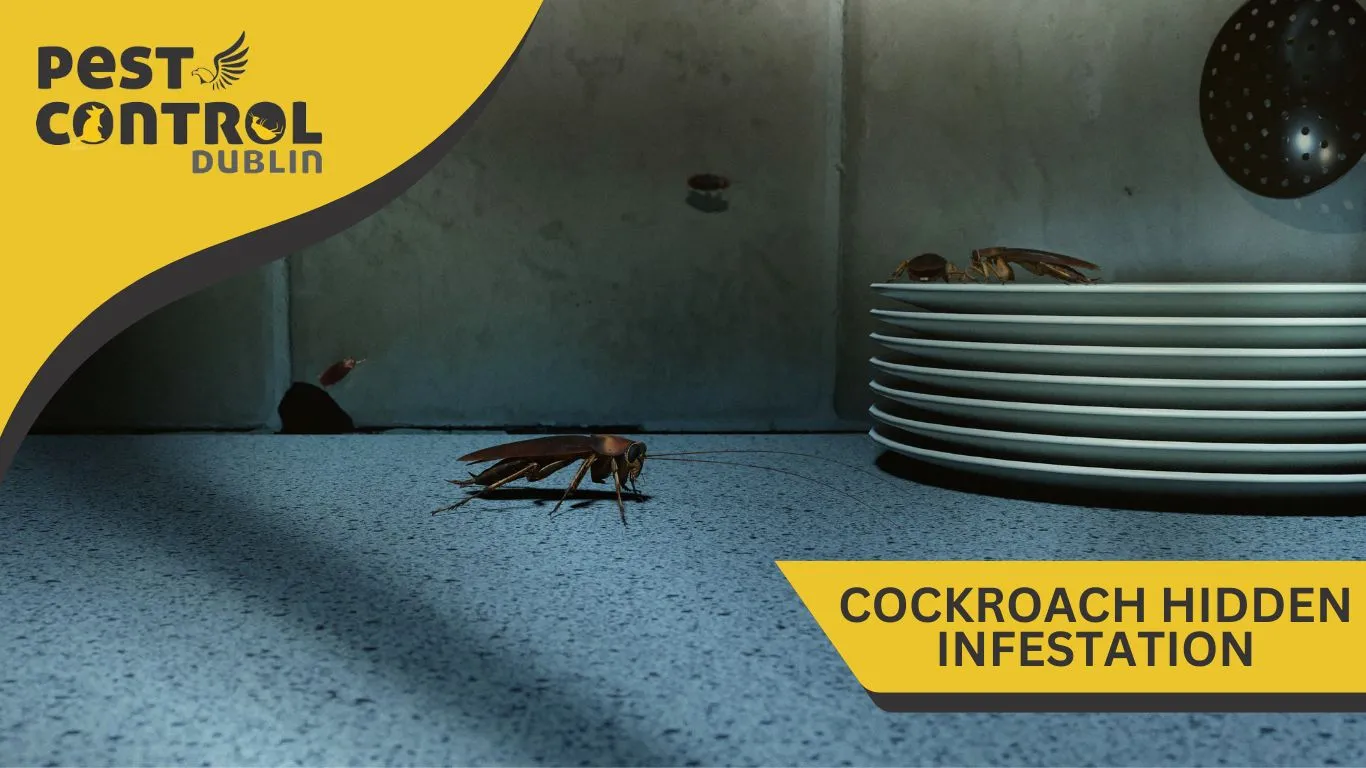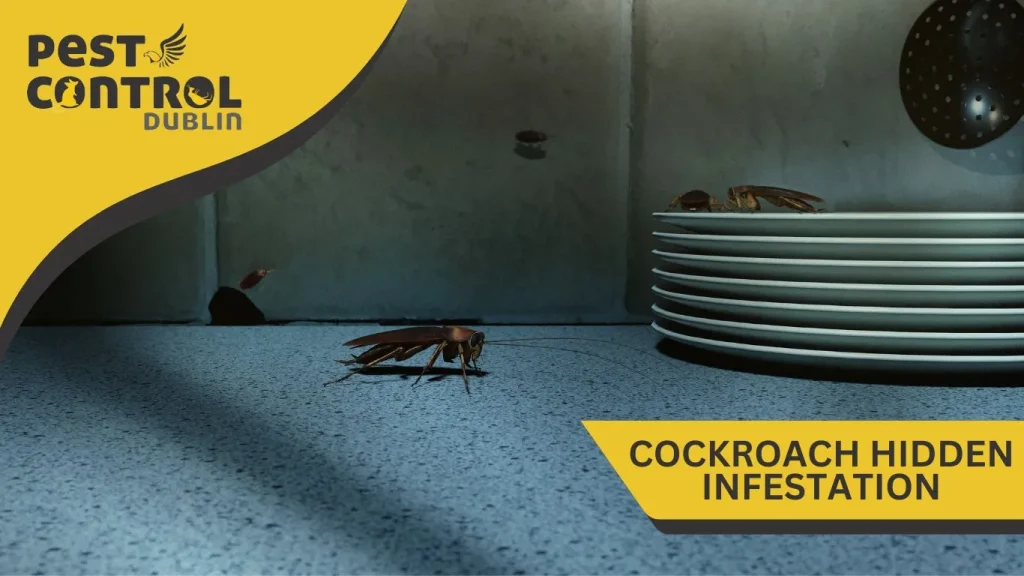
Cockroaches in Dublin kitchens are often noticed late because they are nocturnal insects that hide in warm, dark cracks and crevices during the day. The most common warning signs include droppings, shed skins, egg cases, a musty smell, dead insects, night-time sightings and activity around food, bins or drains.
A cockroach infestation is not a judgement on your home or business. These pests are excellent hitchhikers, can squeeze into tiny spaces and only need food, water and shelter to settle in. In apartments, restaurants, cafés and older Dublin houses, that can mean the gap behind a fridge, a pipe void, a service duct or the space under kitchen units.
The first job is not to panic. The second is not to pretend the one cockroach you saw at 1AM was “just passing through”. Roaches are not known for solo city breaks.
Why cockroaches hide in kitchens
Kitchens offer the three things cockroaches need most: shelter, access to food and moisture. The obvious surfaces may look spotless while activity continues behind a fridge motor, under fitted units, around sink pipework or inside narrow gaps beside appliances.
German cockroaches are particularly associated with warm indoor environments such as kitchens and food preparation areas. Other species may favour cooler or damper parts of a building.
For a broader overview of the species found here, see our guide to cockroaches in Ireland.
If you are already seeing signs, Pest Control Dublin provides professional cockroach control in Dublin for homes and businesses.

1. Small dark droppings that look like black pepper
One of the most common cockroach infestation signs is droppings.
Cockroach droppings can look like:
- tiny black or dark brown specks;
- black pepper or coffee grounds;
- small smears near damp or greasy areas;
- marks inside presses, drawers or under appliances.
Check the quiet parts of the kitchen first: under the sink, behind the bin, around the dishwasher, beside the fridge motor, under floor-level kickboards and along wall-floor junctions.
In commercial kitchens, droppings may appear near food storage, prep areas, pipework, drains or waste areas. For restaurants, cafes and takeaways, this is where early action matters because hygiene and reputation are both involved.
2. Egg cases hidden near food, heat or water
Cockroach eggs are usually protected inside an egg case. Depending on the cockroach species, these egg cases may be carried by the female or deposited in hidden spaces.
Look for small brown capsules in sheltered areas such as:
- behind fridges, ovens and dishwashers;
- under kitchen units;
- around pipe openings;
- inside cracks and crevices;
- near warm electrical appliances;
- in cluttered food storage areas.
A single egg case is not something to shrug off. With German cockroaches in particular, early treatment can make a major difference because their populations can build quickly indoors.
This is one reason proper identification matters. Different cockroach species favour different conditions and hiding areas, so the signs found in a kitchen need to be considered alongside where activity is occurring elsewhere in the property.
3. Shed skins, dead insects or body parts
As cockroaches grow from young nymphs into adults, they shed their skins. You may also find dead insects, legs, wings or other body parts in quiet areas.
These signs are often missed because they gather where people rarely clean by hand:
- behind heavy appliances;
- in the space under kitchen cabinets;
- beside old pipework;
- behind stored boxes;
- in shared service areas in apartment blocks.
Dead cockroaches do not always mean the problem is over. In some cases, they are a sign that a hidden population is active nearby. Cockroach allergens can also remain in dust and debris, so the presence of dead insects, feces and shed skins should be taken seriously, especially where people have asthma or allergies.
4. A musty or oily smell in a closed space
Cockroaches use pheromones for social communication. In practical terms, this means they can leave chemical signals that help other roaches aggregate in suitable hiding areas.
A hidden cockroach infestation may create a stale, oily or musty smell, particularly in enclosed spaces such as:
- under-sink cupboards;
- hot press-style storage;
- bin storage areas;
- lower kitchen presses;
- food storage rooms;
- basement kitchens or staff areas.
If a kitchen press smells unpleasant even after cleaning, and you also find droppings or dark specks, it is worth getting the area checked. Smell alone is not proof, but smell plus other signs is a stronger clue.
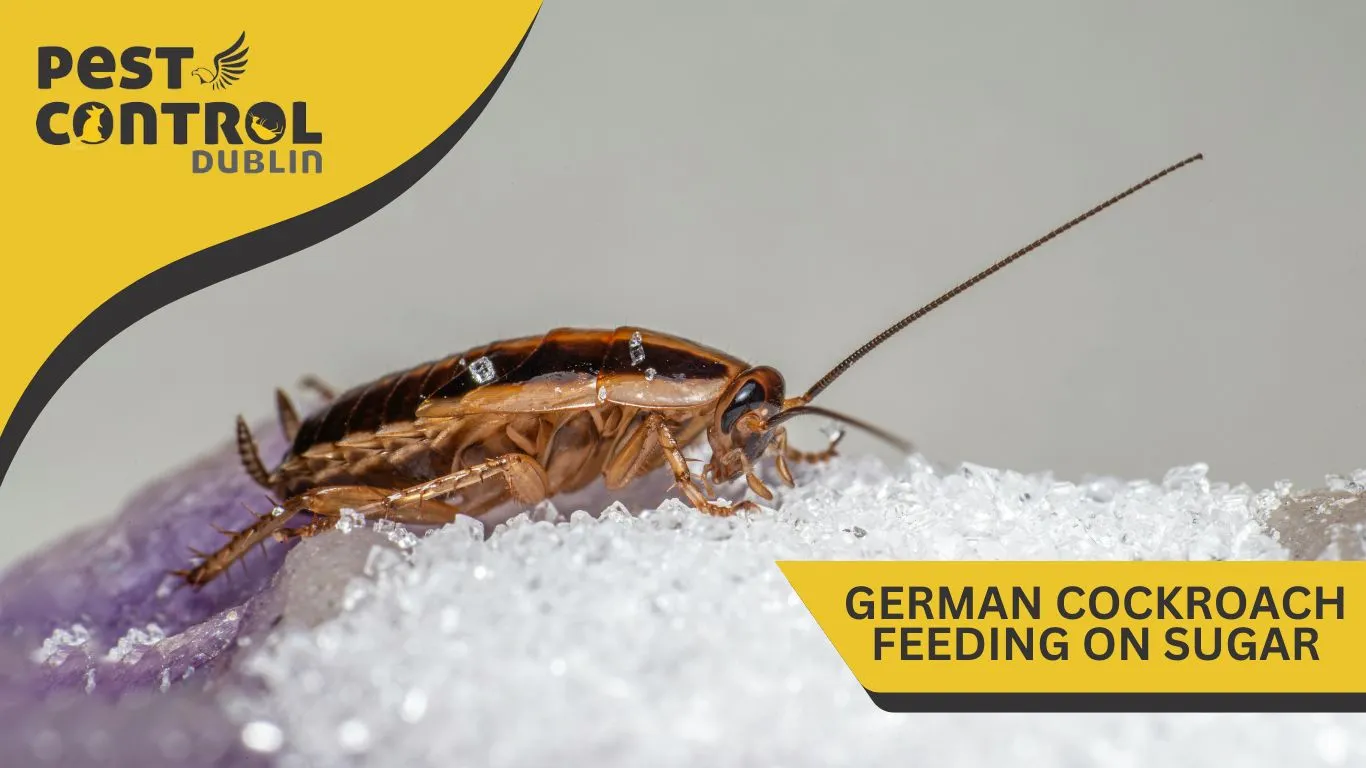
5. Seeing roaches at night, or worse, during the day
Cockroaches are primarily nocturnal insects. They prefer to forage at night, then hide during the day in dark, tight spaces.
A typical first sighting goes like this: you switch on the kitchen light at night and something moves quickly behind the toaster, fridge or kickboard. Lovely little domestic horror film, except sadly not fiction.
Night-time sightings can mean roaches are foraging for food or water. Daytime sightings can be more concerning because cockroaches usually stay hidden unless their hiding places are disturbed, overcrowded or nearby food and water are easy to reach.
Pay attention to where they run. Cockroaches often head back to shelter through cracks, pipe gaps, wall voids, drains, broken tiles or openings around kitchen fittings.
6. Repeated activity around food, water or pet bowls
In a kitchen, repeated activity often centres on fairly predictable places:
- pet food left out overnight;
- crumbs beneath appliances;
- bin storage areas;
- damp spaces under the sink;
- leaking pipework;
- floor drains;
- recycling and cardboard storage.
Pet food is a common issue because it is often left out overnight, right when cockroaches prefer to forage. Bin and waste areas can also attract pest cockroaches, especially in shared buildings or commercial premises.
Simple ways to reduce attraction include storing food in sealed containers, cleaning under appliances where possible, keeping bins closed, fixing leaks and removing unnecessary cardboard or clutter. These steps help, but they do not replace treatment where an infestation is already established.
For food businesses, Pest Control Dublin also provides commercial pest control services with discreet support for premises such as restaurants, pubs, hotels and food-related businesses.
7. Cockroaches disappearing behind appliances, kickboards or pipework
A live cockroach often tells you more by where it runs than by where you first saw it.
In kitchens, pay attention if insects repeatedly disappear:
- beneath floor-level kickboards;
- behind the fridge or dishwasher;
- around gaps where pipes enter the wall;
- beneath fitted units;
- behind loose trim or damaged tiles;
- into cracks beside appliances.
These tight, undisturbed spaces can provide shelter close to warmth, food and moisture. In Dublin apartments, shared pipework and service voids can also complicate the picture because activity may not be limited to one visible room.
Repeated movement towards the same hidden gap is a good reason to have the area inspected rather than simply treating the insect you can see.
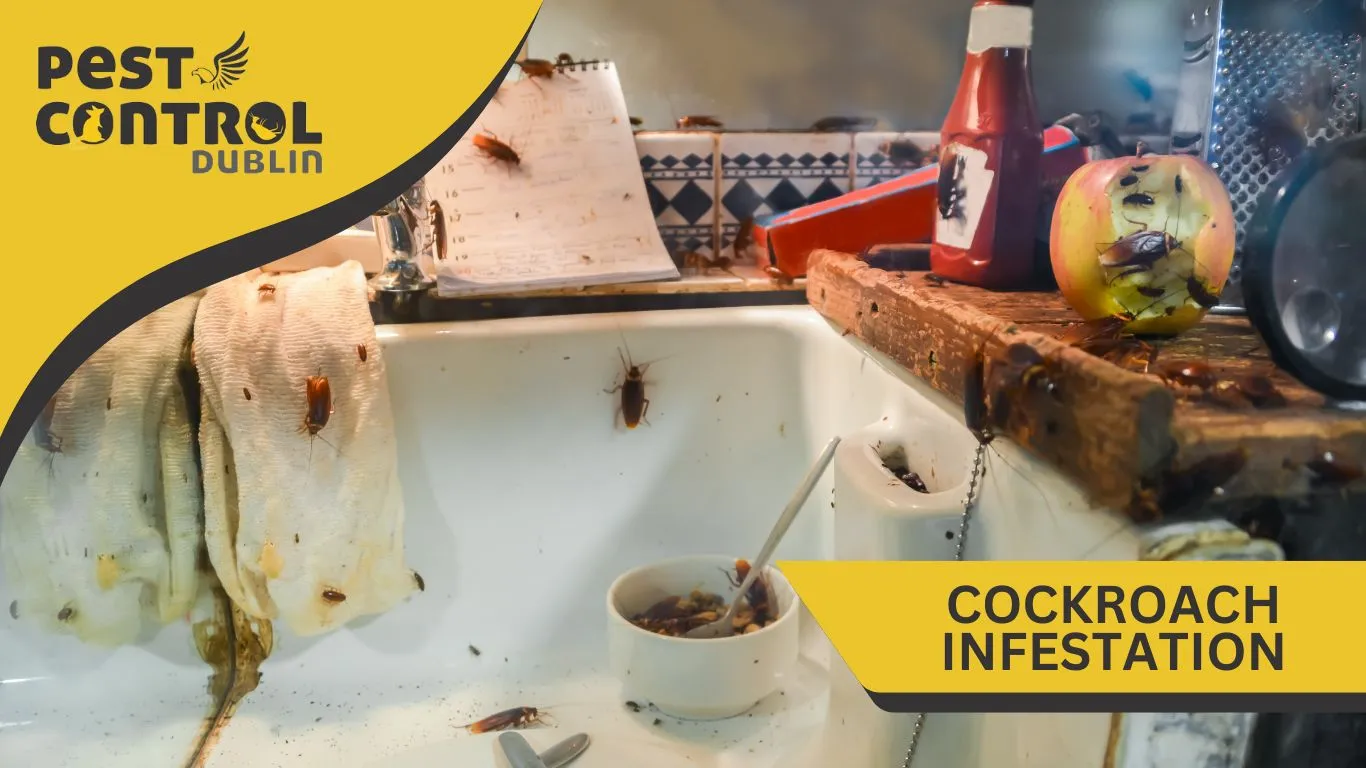
Should you use sticky traps?
Sticky traps can help show whether cockroaches are present and where activity is concentrated, particularly behind appliances or under units.
They are monitoring tools, not a complete treatment for an established infestation. If traps repeatedly catch cockroaches, the next step is to identify the hiding areas, source of activity and extent of the problem.
Why hidden kitchen infestations are difficult to deal with
The cockroaches you see are not always the main problem. Activity can continue behind fitted units, beneath appliances, inside cracks or around pipework that is difficult to inspect without knowing where to look.
A professional inspection can assess:
- where activity is concentrated;
- whether egg cases are present;
- which species is involved;
- whether the problem extends beyond the kitchen;
- whether shared ducts or service areas may be involved;
- which food, moisture or harbourage conditions are helping the infestation persist.
This is particularly important in apartments, restaurants and commercial kitchens, where treating one visible area may not address the wider source.
When to contact Pest Control Dublin
You should arrange an inspection if you notice:
- repeated cockroach sightings;
- droppings under units or near food;
- egg cases;
- dead insects or shed skins;
- activity around drains, bins or pet food;
- a musty smell in closed cupboards;
- daytime roach activity.
If you manage a food business, rental property or apartment block, early action is especially important. Cockroach populations can spread quickly, and discreet professional control helps reduce disruption while protecting hygiene standards.
For advice or to arrange an inspection, contact Pest Control Dublin and the team can confirm what you are dealing with and recommend the next practical step.