



Caroline Lambe
2 months ago
I am absolutely delighted with the service I received from Pest Control and would highly recommend them.
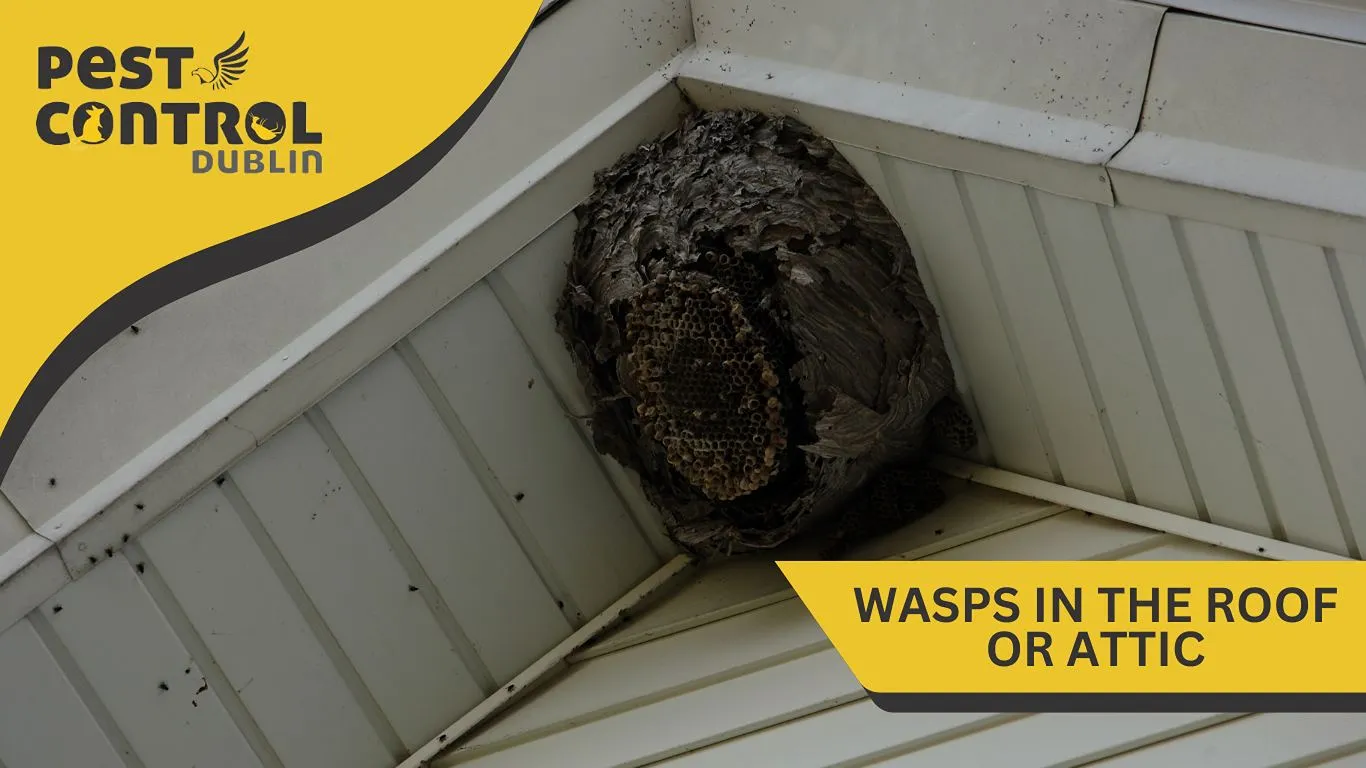
I initially phoned Elaine to explain that I had wasps getting in between the wall and a wooden panel above my sitting room window. Elaine explained the dangers of trying to treat the problem myself and advised that it was much safer to leave it to the professionals. She also explained that the wasps had probably started building their nest around February and that, due to the very hot weather, I was now noticing a significant increase in activity.
I booked an appointment and Tony arrived exactly as arranged. He explained clearly what he was going to do and advised me to remain indoors for the following hour, as the wasps would become very active once the treatment was applied.
Tony put on all the necessary safety equipment and carried out the treatment. I honestly could not believe the number of wasps that were actually there! There is no way I would have been able to deal with them myself, regardless of how much wasp killer powder I used.
Tony was extremely professional and reassuring throughout the whole process. He even said he would call back the following day to check that the job had been successful, which I thought was excellent customer service.
A big thank you to Elaine and Tony for their professionalism, expertise, efficiency and excellent service. The problem was dealt with quickly and properly, and I now have peace of mind knowing it has been taken care of by professionals.
I would highly recommend Pest Control to anyone who has a wasp problem. Excellent service from start to finish! ⭐⭐⭐⭐⭐

Lisa
2 months ago
I reached out to Elaine about a house clearance project that needed a lot of work and she was wonderful to deal with from start to finish. She has a great family focus, her approach was kind and respectful while balancing the need for efficiency in getting the space cleared. Work like this involving a few different services can have its complications but I’d have no problems trusting Elaine and Tony at Pest Control Dublin to get it sorted. Communication was excellent throughout the week, everything was done within the expected time frame and for a reasonable price. They’re a lovely team, I highly recommend them!


Anne Hogan
5 months ago
Tony called to our home for a problem we had in our attic. He was an absolute gentleman and a true professional. I would have no hesitation in recommending Tony . Brilliant service and very efficient.

Michael Bradley
5 months ago
Absolute gentleman. Tony responded really promptly and resolved our pest issue very efficiently. Excellent communication. Would highly recommend.

Helen Harris
5 months ago
Great company to deal with. I found Tony and Kevin to be very knowledgeable and helpful. The rats were soon caught and removed with good humour too!

Una Quinlan
8 months ago
We recently had a rat in our home, Pest Control and Tony came to our rescue. He was very professional, efficient and gave us amazing support. He set traps all over the house and checked in with us daily with visits and texts. The service provided was exceptional and a relief to us in a very stressful situation. The charge was very reasonable given the support we got from Tony. I would highly recommend Pest Control and Tony. Una Quinlan

Roisin Gallagher
8 months ago
Tony recently supported my parents who were graced with a rat for many weeks. I cannot recommend Tony enough he was just excellent. From the minute we met him he was professional, knowledgeable and extremely kind. He gave some light hearted relief in the middle of a stressful time. Thank you so much Tony you are just amazing! We are so grateful

Peter Hanly
9 months ago
Pest Control Dublin were fantastic to deal with in every way. I spoke to Elaine on the phone and had Tony at the house dealing with a rat problem. They were professional, efficient, friendly, empathetic people. Tony was determined to sort the problem for us. He made multiple visits to the house, talking me through the plan of action. When the problem was fixed I was amazed at how reasonable the charge was. I'm delighted to have chosen this company and would recommend to anyone.