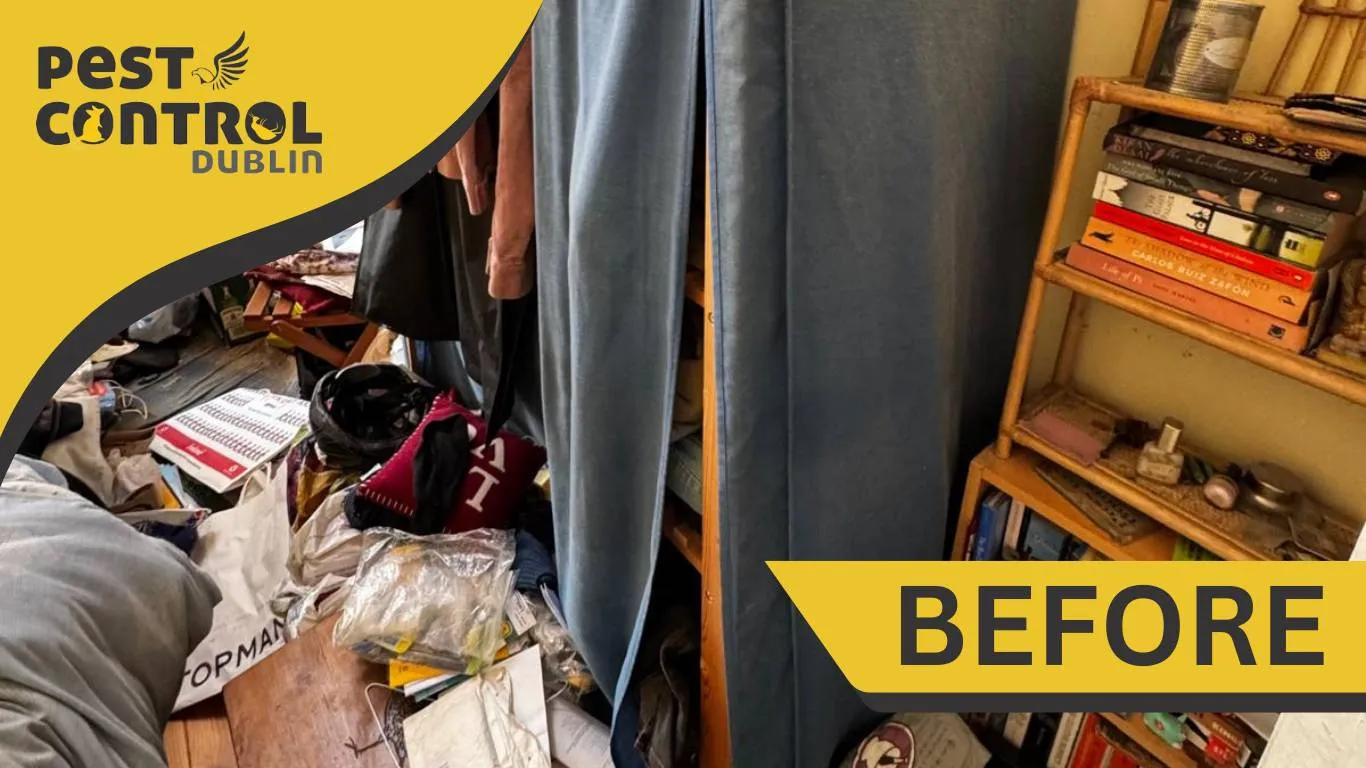
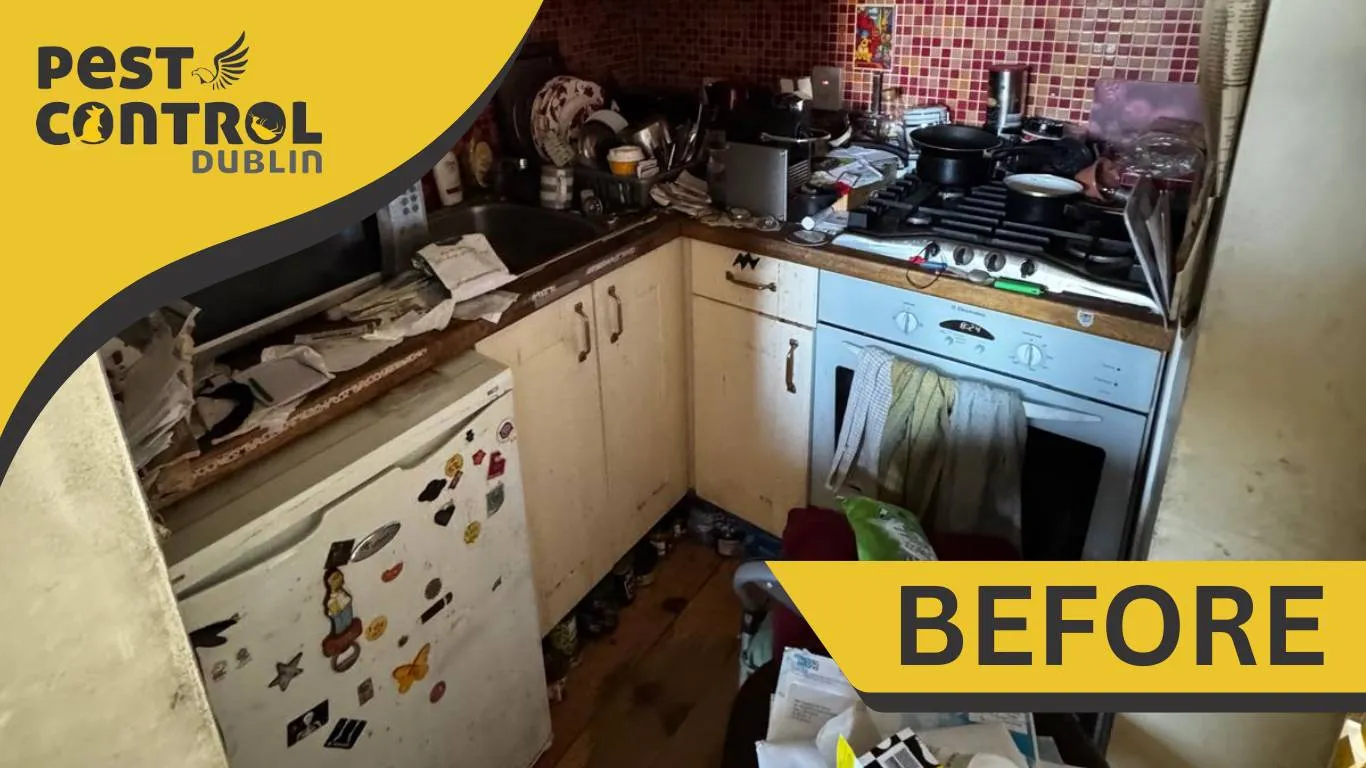
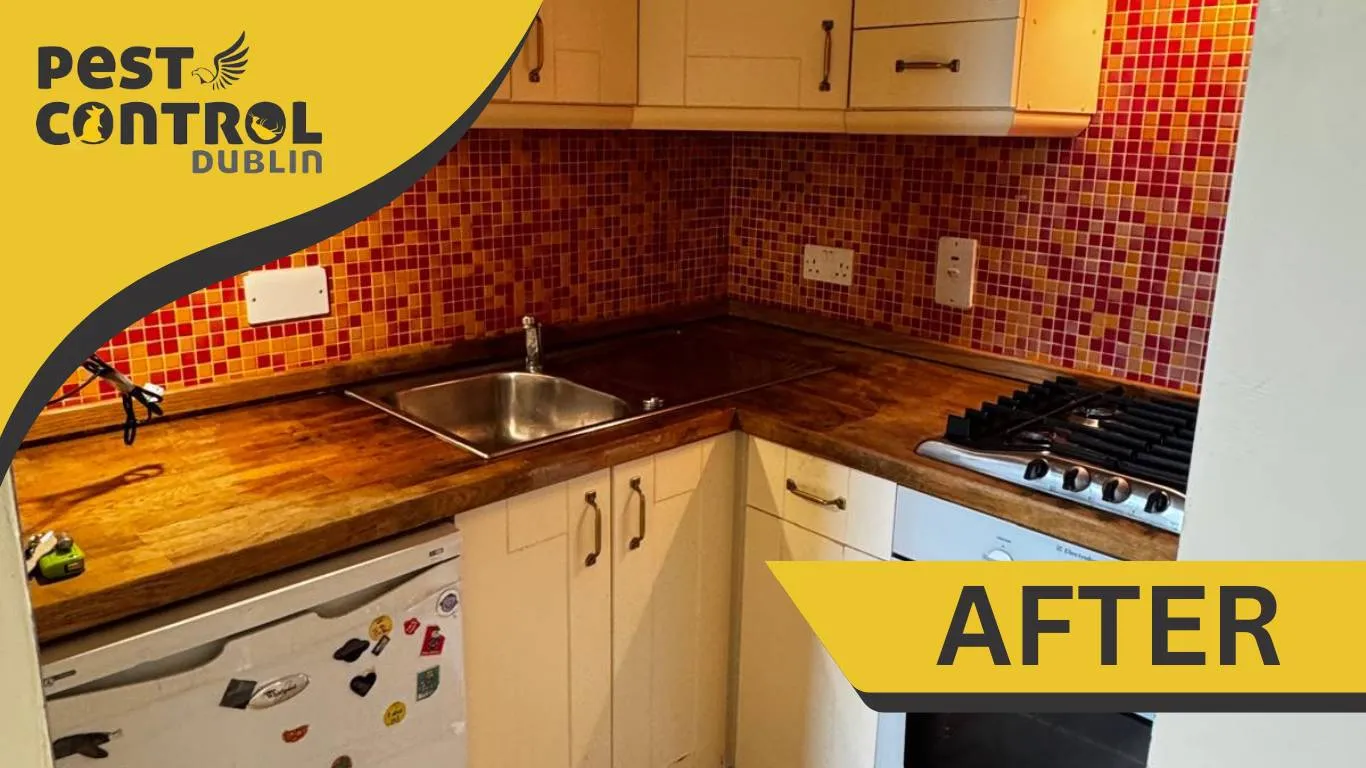
Hoarding can become a health and safety concern when possessions block movement, prevent rooms from being used normally, conceal damage or make cleaning and maintenance difficult. The main risks include falls, fire and restricted escape, hygiene concerns, hidden damp, pest activity and delayed access in an emergency. Risk reduction should always be calm, agreed and respectful.
Not every cluttered property presents the same level of risk. Some homes may have restricted access but remain relatively clean. Others may contain spoiled food, unstable stacks, pest activity or areas that can no longer be used safely. The condition of the property should therefore be assessed on its actual hazards, without assumptions or judgement.
Hoarding Disorder Is Not the Same as Untidiness
The Health Service Executive’s guidance on hoarding disorder describes it as a strong urge to keep a large number of items, even when they are not needed or useful. The belongings may be stored in a way that creates clutter that is difficult to manage.
The distinction is not simply how full a room looks. A collection is generally organised and accessible. Hoarding difficulties can stop someone from moving safely around the home, using essential rooms or managing everyday tasks.
A crowded property alone cannot confirm a diagnosis. That assessment belongs with a GP or an appropriate health professional. Cleaning contractors can address the physical condition of a property, but they do not diagnose or treat hoarding disorder.
The Main Risks in Hoarded Properties
Restricted Movement, Trips and Falls
Boxes, bags and loose possessions can narrow the available paths through a home. A person may have to step over items, turn sideways or use furniture for support. Stairs can become particularly difficult when items are stored on steps or around handrails.
In a compact Dublin terrace or apartment, a narrow hallway may be the only practical route between a bedroom and the front door. The risk is greater for older adults, people with limited mobility and anyone who may need to leave the property quickly.
A usable route should allow someone to reach the main exit, bathroom and sleeping area without climbing over belongings or passing beneath unstable stacks.
Fire and Escape Risks
Paper, cardboard, clothing and other combustible belongings can add to the amount of material available to burn. Items stored close to cookers, portable heaters, lamps, plugs or electrical equipment require particular attention.
Blocked doors and hallways can also slow evacuation and make access more difficult for firefighters. Ireland’s National Directorate for Fire and Emergency Management advises households to have an evacuation plan and to keep escape routes completely clear of obstructions.
Fire safety deserves its own careful assessment. Our guide to hoarding and fire safety in Irish homes explains this risk in more detail.
Book a hoarding cleanup survey
Fast, confidential surveys by our local Dublin team. We handle declutter, deep cleaning and pest control when needed.
Book a survey Call: 01-8310353
Difficulty Using Kitchens and Bathrooms
When worktops, sinks, cookers or bathroom fittings cannot be reached, normal cooking, washing and cleaning become harder. Spills, expired food or leaking containers may remain unnoticed behind other items.
The first objective does not have to be an empty room. Restoring safe access to the sink, cooker, toilet and washing facilities can be a more realistic starting point. Any cooker or heat source that is surrounded by combustible material should be treated as a priority.
Hidden Damp, Leaks and Property Damage
Possessions stacked against walls, windows or radiators can conceal condensation, damp patches and water leaks. Heavy clutter can also prevent a landlord, plumber or electrician from inspecting areas that need repair.
In older Dublin houses, problems may remain hidden behind furniture or boxes in small rooms, under stairs or close to external walls. In apartments, blocked access to service areas can make maintenance more difficult.
If there are signs of serious water damage, unstable flooring, damaged electrics or structural movement, the area should be assessed by the appropriate specialist before cleaning continues.
Rodent and Insect Activity
Not every hoarded property has a pest problem. However, stored food, waste, undisturbed spaces and blocked access points can give rodents or insects places to hide. Activity may continue unnoticed behind bags, appliances, furniture or kitchen units.
Possible warning signs include droppings, gnaw marks, damaged food packaging, unusual smells or repeated insect activity. These signs require an inspection rather than an assumption about the cause.
Our guide to pest infestations in hoarded properties explains how pest activity can develop and when professional pest control may be needed.
Delayed Access in an Emergency
Clutter can prevent access to doors, windows, meters, the fuse board, boiler controls or water shut-off points. It may also make it harder for emergency personnel, carers or contractors to reach someone inside the property.
The risk becomes more urgent when a person has reduced mobility, uses medical equipment or depends on another person for assistance. If someone is trapped, there is an active fire or part of the property appears likely to collapse, contact the emergency services rather than beginning a clean-up.
Signs That the Property Needs Prompt Assessment
A professional assessment is sensible when:
- The main entrance or another essential exit cannot open fully.
- There is no stable route between the sleeping area and the exit.
- Stairs, handrails or doorways are obstructed.
- Belongings are touching cookers, heaters, lamps or electrical equipment.
- Stacks appear unstable or may fall when moved.
- The kitchen, bathroom or bed can no longer be used safely.
- Leaks, strong odours or damaged flooring are hidden beneath possessions.
- There are droppings, gnaw marks or repeated insect activity.
- Contractors or carers cannot reach essential parts of the property.
These signs do not mean that everything must be removed immediately. They help identify which areas should receive attention first.
Safety Should Not Come at the Expense of Dignity
A sudden or forced clearance can cause intense distress and damage trust. The HSE advises families not to judge or pressure someone experiencing hoarding difficulties. Simply removing everything does not address the reason the belongings accumulated and may create further conflict.
A more compassionate approach is to:
- Discuss the specific safety concern rather than criticising the whole home.
- Explain what needs to happen before any belongings are moved.
- Agree what should be kept, set aside or removed.
- Start with essential access, heat sources and immediate hazards.
- Give the person time to make decisions wherever possible.
- Avoid disposing of personal or sentimental items without agreement.
- Encourage the person to speak with their GP about the underlying difficulty.
Progress may be gradual. Making one exit usable or restoring access to a bathroom can still be a meaningful safety improvement.
What a Compassionate Contractor Should Bring
The contractor’s approach matters as much as the practical work. Hoarding clean-up is not a standard house clearance, and the person should not feel that control of the property has been taken away from them.
A suitable contractor should provide:
- A private and non-judgemental first conversation.
- A clear explanation of the proposed work.
- Agreed priorities before clearance begins.
- Careful handling of belongings.
- A process for identifying items to keep or review.
- Honest advice when another specialist is required.
- Pest treatment only when evidence of pest activity is found.
- Respect for the person, family and property throughout the work.
Cleaning can reduce physical hazards and make rooms usable again. It cannot treat hoarding disorder or replace mental health support.
Getting Practical Support in Dublin
When a property has become difficult to use safely, the first step is usually a survey rather than an immediate full clearance. The survey can consider access, room priorities, the volume of material, cleaning needs and any evidence of pests or property damage.
Our guide to the professional hoarding clean-up process in Dublin explains how a survey, agreed decisions and the practical work can be planned.
Pest Control Dublin provides discreet hoarding cleaning services in Dublin for individuals, families, landlords and property managers. The practical work can include agreed clearance, deep cleaning and pest control when needed.
Concerned About Safety in a Dublin Property?
You do not need to have every decision made before asking for advice. Begin by explaining which rooms are affected, whether essential routes remain usable and which risks need attention first.
Pest Control Dublin can arrange a discreet survey, discuss the available options and agree a practical scope of work without judgement or pressure.
Call 01-8310353 to speak with the team in confidence.
Helping Dublin stay pest-free for over 20 years. Friendly advice, expert solutions, every time.
FAQS
When does clutter become a health or safety risk?
Does every hoarded property have a pest infestation?
Should a family remove everything from the property?
Can professional cleaning treat hoarding disorder?
Need a hand right now?
Book a hoarding cleanup survey
Fast, confidential surveys by our local Dublin team. We handle declutter, deep cleaning and pest control when needed.
Book a survey Call: 01-8310353


I initially phoned Elaine to explain that I had wasps getting in between the wall and a wooden panel above my sitting room window. Elaine explained the dangers of trying to treat the problem myself and advised that it was much safer to leave it to the professionals. She also explained that the wasps had probably started building their nest around February and that, due to the very hot weather, I was now noticing a significant increase in activity.
I booked an appointment and Tony arrived exactly as arranged. He explained clearly what he was going to do and advised me to remain indoors for the following hour, as the wasps would become very active once the treatment was applied.
Tony put on all the necessary safety equipment and carried out the treatment. I honestly could not believe the number of wasps that were actually there! There is no way I would have been able to deal with them myself, regardless of how much wasp killer powder I used.
Tony was extremely professional and reassuring throughout the whole process. He even said he would call back the following day to check that the job had been successful, which I thought was excellent customer service.
A big thank you to Elaine and Tony for their professionalism, expertise, efficiency and excellent service. The problem was dealt with quickly and properly, and I now have peace of mind knowing it has been taken care of by professionals.
I would highly recommend Pest Control to anyone who has a wasp problem. Excellent service from start to finish! ⭐⭐⭐⭐⭐