Hoarding can make pest problems harder to spot and treat when clutter conceals activity, food waste is accessible or parts of the home cannot be inspected. It does not mean every cluttered home has an infestation. Start by identifying evidence, protecting food and agreeing safe access before moving large amounts of belongings.
This guide explains the link between hoarding and pest infestation, signs to check and practical next steps for households in Dublin and across Ireland.
Why clutter can make pest problems harder to manage
Several conditions can overlap: accessible food, waste, leaking water, gaps into the building and places that are difficult to inspect or clean. Stacked possessions may conceal these problems, so treating visible pests alone may leave the underlying conditions unresolved.
The HSE’s hoarding guidance identifies unhygienic conditions and rodent or insect infestations as possible consequences. This is a reason to check the home sensitively, rather than assume an infestation or blame the person.

Keep the two issues distinct: pest control addresses the identified pest, while support for hoarding addresses the difficulty managing belongings. Neither a pesticide application nor a one-off clearance replaces ongoing support.
Pest signs to check without making assumptions
Look for evidence of a particular pest rather than treating every insect or mark as the same problem. The Food Safety Authority of Ireland’s pest-control guidance lists signs including rodent droppings, smear marks, insect egg cases and dead insects. Its food-business guidance also explains how pests can contaminate food.
- Rats and mice: note droppings, damaged packaging or gnawing. Record where you found them without disturbing contaminated material.
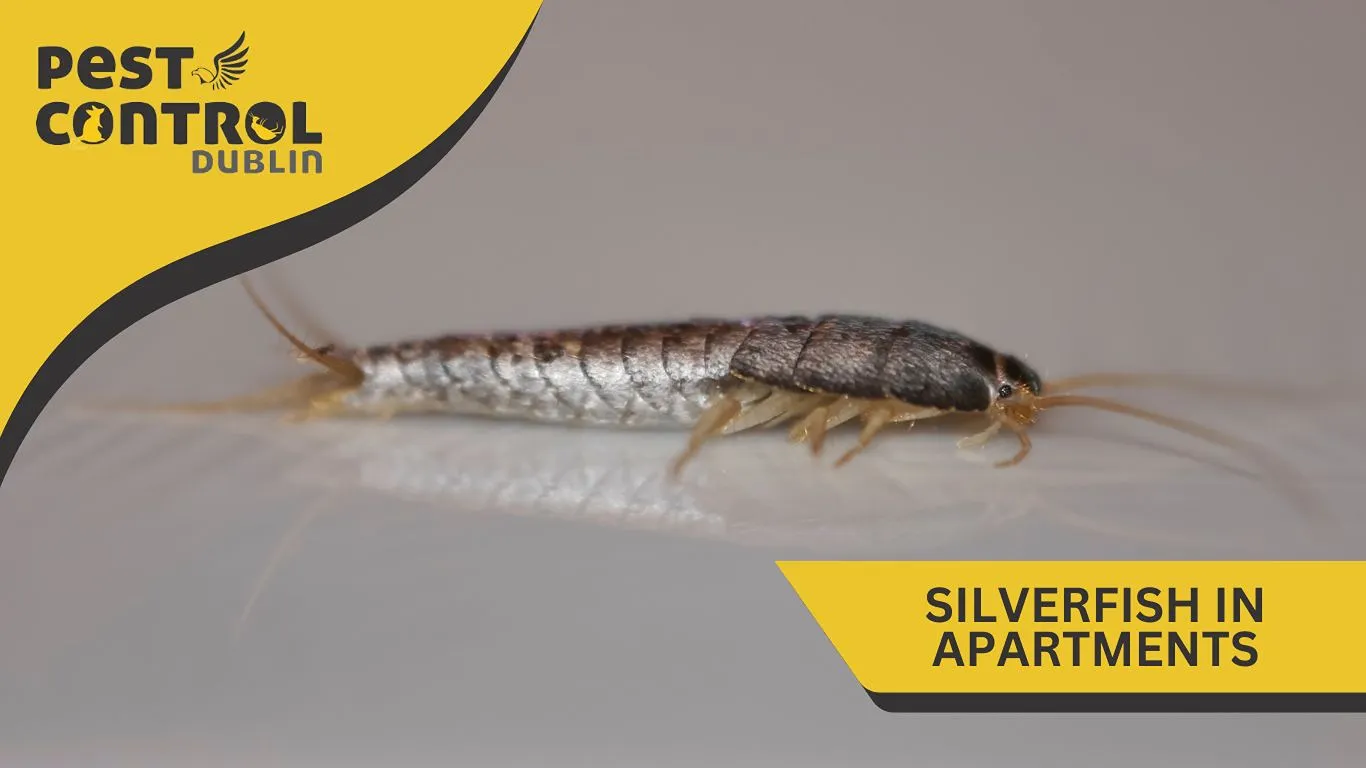
- Cockroaches and stored-food insects: photograph any insects or egg cases and check accessible food-storage areas. Identification determines the response.
- Bed bugs: these need a separate inspection of beds and furniture. They are not caused by poor hygiene: the NHS confirms they occur in clean and dirty places. The HSE describes signs and treatment of bed bug infestations.
A photograph can help with identification, but bites, smells or clutter alone are not a reliable diagnosis.
First priorities: food, safety and access
Protect food and food-contact surfaces first. Do not eat food that pests may have contaminated. Keep unaffected food in sound, closed containers and prevent access to affected preparation areas until they can be assessed and cleaned appropriately. FSAI guidance for food premises supports prompt removal of contaminated food, cleaning and pest-proofing; the household priorities are similarly food protection and safe access.
Do not start a large clearance through heavy contamination, unstable piles or an unsafe electrical area. Keep children and pets away from affected areas and ask for an assessment of the work needed. For the wider issues, see health and safety risks associated with hoarding.

Agree a manageable first visit
With the resident’s agreement, list the rooms affected, photograph visible signs and identify a safe route for inspection. Avoid moving suspect bedding or furniture into another room before receiving pest-specific advice.
In a Dublin apartment or shared building, tell the landlord or managing agent if signs involve shared areas or building defects. This helps coordinate inspection and repairs without assuming neighbouring homes are affected. Keep common entrances and escape routes clear, following Dublin Fire Brigade’s home fire-safety guidance.
Coordinating pest treatment and practical cleaning
Inspection should establish the pest, extent of activity, accessible areas and immediate risks. The order of treatment, agreed sorting, cleaning and repairs depends on those findings; there is no single sequence that suits every property.
- Before work: agree what must be kept and where workers can safely reach.
- During treatment: follow the instructions for preparation, access and any return-to-room restrictions.
- Afterwards: complete the agreed cleaning, waste removal, repairs and monitoring. Keep follow-up appointments where advised.
In Ireland, use only authorised or notified biocidal products suitable for the task and user. Follow the current label for application, storage and disposal. The Department of Agriculture, Food and the Marine explains Irish biocide controls and product-label requirements. Do not combine products or improvise doses.
For assessment, preparation and the broader stages of practical work, read what to expect during a hoarding clean-up.
Reducing the chance of problems returning
Choose a few checks that the household can maintain: keep food sealed, remove food waste regularly, report leaks and inspect previously affected areas. Record fresh signs and tell the pest controller if activity continues; an empty trap or one quiet night does not establish that a problem is resolved.
Agree small, repeatable routines with the person rather than imposing a deadline for the whole home. Our checklist for maintaining progress after a hoarding clean-up can help organise ongoing support.

Helping Dublin stay pest-free for over 20 years. Friendly advice, expert solutions, every time.
Frequently asked questions
Does hoarding always cause a pest infestation?
No. Clutter alone does not prove that pests are present. Look for evidence such as droppings, damaged packaging or live insects, and arrange identification before choosing treatment.
Are bed bugs caused by poor hygiene?
No. Bed bugs occur in clean and dirty places. Clutter can make inspection harder, but poor hygiene is not the cause. A suspected infestation needs pest-specific assessment.
Should everything be cleared before pest treatment?
Not automatically. Inspection should determine the safe order of treatment, agreed sorting and cleaning. Ask what access is needed before moving large amounts of belongings or suspect furniture.
Can cleaning alone get rid of pests?
Cleaning helps address food waste and access, but an established infestation may also need targeted treatment, repairs and follow-up monitoring. The response depends on the pest and the conditions found.
Can I use shop-bought pesticides in Ireland?
Only use a product authorised or notified for use in Ireland and suitable for your user category and the intended task. Follow its current label. Ask a competent pest controller if identification, access or safe use is uncertain.
How can I help someone who is distressed about the work?
Agree what will be inspected and what belongings must be protected. Avoid a surprise clearance or pressure. The HSE advises encouraging the person to speak with their GP or a health professional about hoarding difficulties.
If you need practical help with an agreed plan for cleaning and pest concerns, you can discuss hoarding cleaning support with our Dublin team.