
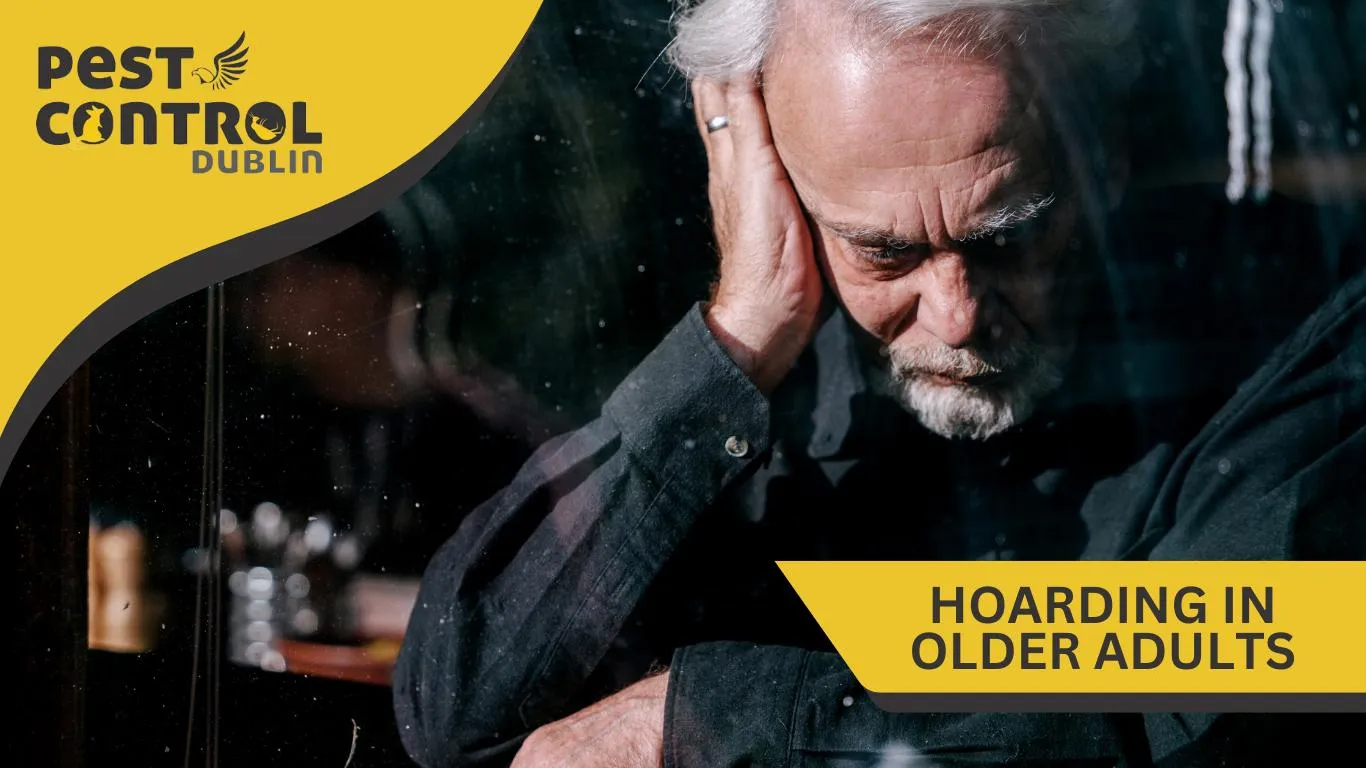
Hoarding in older adults is an issue that often develops quietly over time. What may begin as harmless collecting or keeping items of sentimental value can gradually turn into a severe disorder that affects daily living, physical health, and overall well-being.
In Ireland, hoarding among older adults is increasingly recognised as a complex mental health condition rather than simple clutter or stubbornness. Hoarding disorder is listed in the Diagnostic and Statistical Manual of Mental Disorders, sometimes linked to obsessive compulsive disorder, anxiety, dementia or other mental disorders. Understanding hoarding behaviour is essential for families, friends and carers who want to help a loved one without causing intense distress.
Understanding hoarding in older adulthood
Hoarding in older adulthood often differs from hoarding tendencies that start in young adulthood. Among older adults, hoarding may be reinforced by life experiences such as bereavement, trauma, social isolation or declining physical health. For many, possessions represent safety, memories or a sense of control during periods of loss or change.
This behaviour can become a coping mechanism, especially when emotional support is limited. Excessive acquisition and difficulty getting rid of belongings can slowly fill living spaces with a large number of items, reducing quality of life and increasing risks.
Hoarding disorder and mental health conditions
Hoarding disorder is recognised as a mental health condition and is sometimes associated with obsessive compulsive disorder or obsessive compulsive traits, although it is now considered a separate disorder. Anxiety, depression, dementia and other cognitive conditions can also contribute to hoarding behaviour.
A mental health professional will confirm a diagnosis and rule out other cognitive disorders. Treating hoarding behaviour often requires therapy rather than focusing only on cleaning or removing clutter.
The emotional attachment to possessions

One of the most misunderstood aspects of hoarding is emotional attachment. Objects may feel essential to a person’s identity, safety or sense of meaning. Even items with little actual value can feel impossible to discard.
Attempts to take possessions away too quickly can lead to fear, anxiety and intense distress. This is why families are encouraged to gently encourage change, at the person’s own pace, rather than forcing sudden clear-outs that may damage trust.
Further reading: Hoarder Cleanup Process: What to Expect
Health risks linked to hoarding
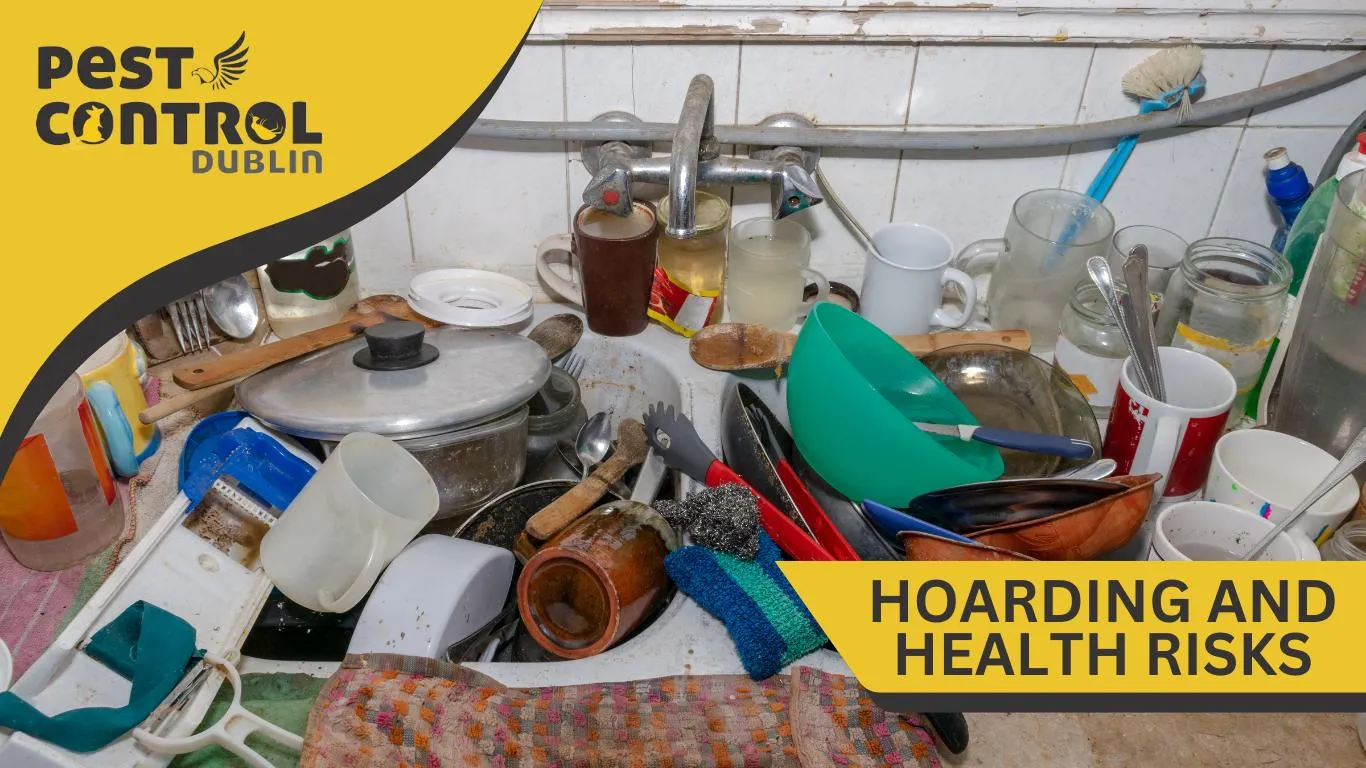
Hoarding can significantly affect physical health. Clutter increases the risk of falls, limits access to food preparation areas and interferes with basic daily living. Poor ventilation and hygiene may contribute to respiratory problems, infections or worsening symptoms of conditions such as sleep apnea.
In severe cases, hoarding may lead to disability, increased reliance on others and a decline in overall health. These risks are often overlooked until a crisis occurs.
Further reading: Hoarding Health Risks: Why Professional Cleaning is Essential
How hoarding affects family members and friends
For family members, supporting a loved one who hoards can be emotionally exhausting. Feelings of frustration, guilt and helplessness are common. Friends may withdraw over time, increasing the person’s social isolation.
Families play a vital role in spotting early signs and encouraging professional help. Understanding hoarding as a chronic condition rather than a personal choice helps shift conversations from blame to support.
When the situation becomes overwhelming
If hoarding is putting health or safety at risk, professional help is essential. Experienced teams can support cleaning respectfully while working alongside families and mental health professionals. Early intervention can prevent future crises and protect everyone involved. Contact Pest Control Dublin to discuss discreet and supportive solutions when clutter or hygiene issues begin to affect well-being and safety.
Contact our team now or Call: 01-8310353Treatment and ongoing support options
Treatment often involves cognitive behavioural therapy, delivered by a therapist or mental health professional experienced in hoarding disorder. Therapy focuses on decision-making, emotional regulation and reducing anxiety around possessions.
Support groups can also help, offering reassurance that the person is not alone. Ongoing support is essential, as hoarding rarely disappears overnight. Progress is often slow but meaningful when the person feels understood and respected.
Supporting an older person with hoarding behaviour
Families can contribute positively by listening, showing empathy and encouraging treatment without pressure. Small steps, taken together, help maintain trust and dignity. Referring a loved one to a mental health professional is often more effective than repeated arguments about clutter.
Patience is essential. Hoarding behaviour developed over many years will not change quickly, but with understanding, therapy and support, improvement is possible.
Looking ahead with understanding and care
Hoarding in older adults affects mental health, physical health and quality of life, but it does not define the person. With the right balance of emotional support, professional treatment and practical assistance, older adults can regain safer living conditions and a sense of control over their future.

Helping Dublin stay pest-free for over 20 years. Friendly advice, expert solutions, every time.
FAQs
Is hoarding in older adults the same as OCD?
Hoarding can be linked to OCD, but it is now recognised as a distinct disorder. While some people show obsessive-compulsive traits, many older adults with hoarding behaviour do not experience classic OCD symptoms. A proper assessment by a mental health professional helps clarify the diagnosis and the most suitable treatment.
Does hoarding always get worse with age?
Hoarding does not necessarily worsen with age, but it can become more noticeable as physical abilities, health, and mobility decline. If untreated, clutter may accumulate faster and become more complicated to manage. Early support makes it easier for the patient to adapt and reduce the risks associated with daily living.
How can families help safely manage hoarding?
Families can help manage hoarding by focusing on safety rather than perfection. Encouraging small changes, keeping essential areas clear and respecting the person’s emotional attachment to belongings are key. Support works best when it matches the person’s age, health and ability, rather than forcing rapid clean-outs.
When should professional help be considered?
Professional help should be considered when hoarding affects health, safety or independence. If a patient struggles to manage their space, shows distress when discussing items, or faces risks such as falls or poor hygiene, involving a therapist or support service can protect their well-being and dignity.


