

Life After a Hoarding Cleanup: Relapse Prevention Checklist

Table of Contents
hoarding relapse prevention

The big clear-out is done, the rooms breathe again, and you can see the floor. The next step is keeping it that way, calmly and consistently.

Life after a hoarding cleanup is about gentle routines, not grand gestures. The goal is to keep your home safe and usable over the long term, reduce stress, and build habits that prevent relapse. With practical strategies and the right support systems, you can build on your progress feel more in control day by day.

Quick checklist at a glance

  1. Keep the bed clear each night, so sleep stays comfortable and safe.
  2. Maintain exits at least 90 cm wide to allow free movement and reduce fire risk.
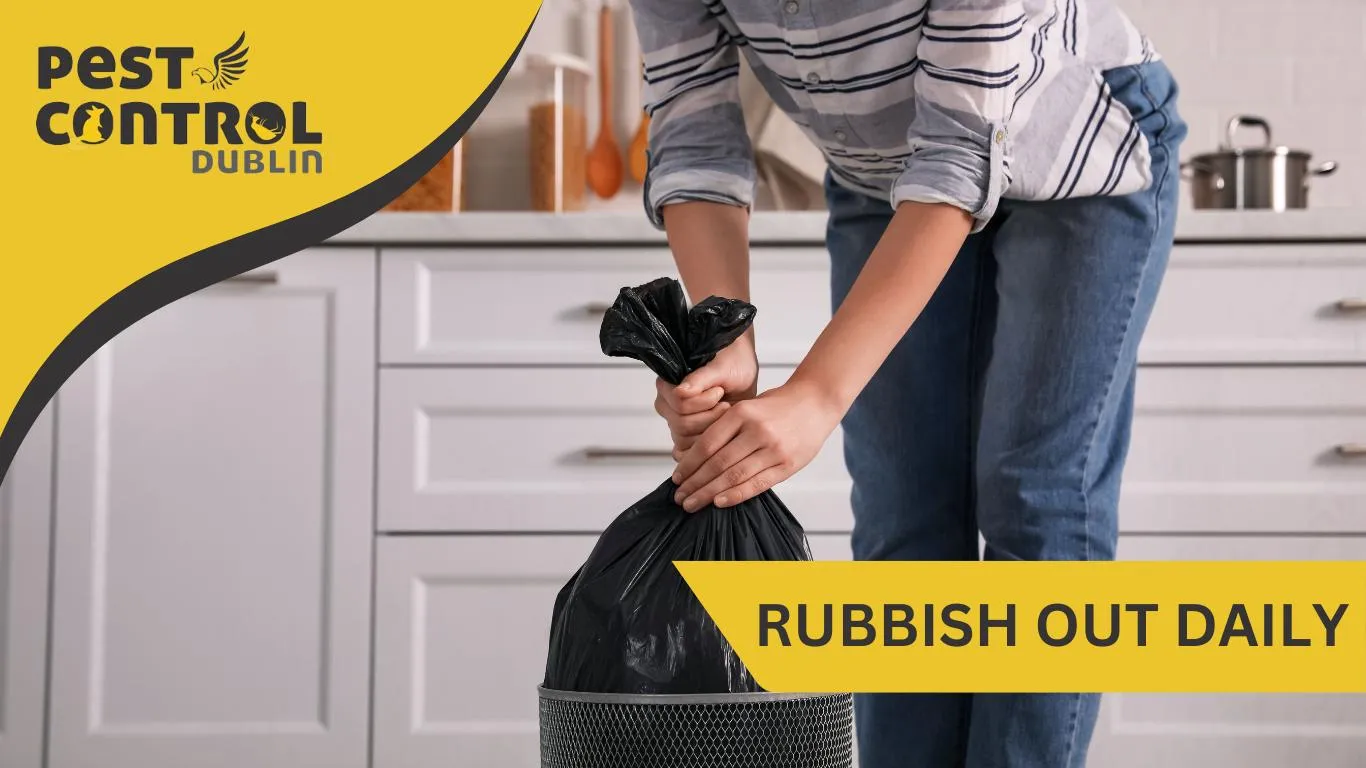
  3. Take the rubbish out daily to stop waste building up and attracting pests.
  4. Wash dishes the same day to keep the kitchen usable and odours down.
  5. Follow a simple laundry plan twice a week to prevent clothes from piling up.
  6. Sort posts and packages once a day into only three outcomes: action, file, or recycle.
  7. Use a one-in, one-out rule for clothes, books, and gadgets to balance possessions.
  8. Keep a donation box by the door and drop it off when it is full so items keep flowing out.
  9. Do one deep spot each month, a room, a cupboard, a drawer, a corner, and finish it in one session.

Learn how hoarding increases the risk of pest infestations: Hoarding & Pests: Why Infestations Spread, Prevention & Treatment 

Schedule Your Hoarding Cleanup Survey

Get professional help from our Dublin team - discreet, insured and experienced in all levels of hoarding cleanup.

Book My Survey or Call: 01-8310353
Discreet · Insured · Free quote
hoarding rubbish out daily

Your first steps after a hoarding cleanup

First 48 hours

Focus on safety and essentials. Please make sure the sleeping area is clear and comfy, the cooker and hob are accessible, heaters have space around them, and the bathroom is easy to reach. Start a bin routine, bag, tie, and out. These steps reinforce immediate wins and help prevent old habits from sneaking back.

First 2 weeks

Use daily mini tasks that fit into everyday life:

  • Set a timer for ten minutes, pick a small zone to clean, and stop when the timer ends.
  • When cleaning, start with the cleanest areas, then move to the dirtier areas, and don’t go back.
  • Open the post once a day and follow the rule: action, file, or recycle (we are talking about this further down).

Small, repeatable actions build healthy coping mechanisms and reduce anxiety around decision-making.

Monthly Routines that prevent Relapse

Monthly Maintenance

Pick one room for a quick audit. Take a photo before and after so progress is visible; the brain loves proof.

Do one donation drop per month: charity shops in Ireland are grateful for clean, working items.

Keep a tiny repair list (a wobbly shelf, a sticky drawer) and fix one thing each month.

These prevention strategies keep momentum without overwhelm.

Keeping momentum in everyday life

Relapse prevention is not about perfection; it is about steady, kind routines that make life easier. With small tasks, clear boundaries, and the proper support, your home can stay safe and comfortable, and your recovery can keep moving forward at a pace that suits you.

hoarding one deep spot each month

Setting Boundaries With Stuff

Boundaries that work

Set clear boundaries, so possessions do not seep into every surface. One in, one out keeps numbers stable.

Container limits mean items must fit within a shelf, a box, or a rail; if they do not, something has to leave.

Hot zone rules protect tables and worktops: they are either in use or cleared at the end of the day.

Boundaries make managing possessions simpler and reduce emotional distress.

Further reading: Hoarding Health Risks: Why Professional Cleaning is Essential

Free items and impulse decisions

Free items can feel exciting, but they often trigger hoarding tendencies. Before something new enters, ask three questions: do I need it, do I want it, and where will it live? If you cannot name a home for it, let it go. This slight pause protects space and reduces clutter in the future.

A practical wardrobe trick that really helps

Face all coat hangers the same way today. Each time you wear something this season, return the hanger the opposite way when you put it back in the closet. After six months, the hangers that never flipped show what you do not use. Donate those items to charity, so your rail reflects the life you actually lead. This simple method reduces decision fatigue and supports relapse prevention without drama.

Paper, Food and hygiene

Paper and admin flow

Create three trays: Action, File, and Recycle. Keep them visible and empty them every Sunday.

Go digital where possible: scan receipts with your phone, switch to e-statements, and unsubscribe from junk mail. A calm paper flow reduces clutter and supports long-term success.

Food, pests and hygiene

Compulsive hoarding often creates food risks and attracts pests. Store food in sealed containers, label and date leftovers, and clear the fridge weekly. Empty indoor bins daily and rinse the bin if odours start. If you notice hoarding symptoms returning alongside signs of pests, such as droppings or gnaw marks, arrange a prompt treatment visit and follow up. Early action prevents a minor issue from turning into a larger one.

hoarding make a laundry plan

Emotional Support and Relapse Warning Signs

Healthy coping on tough days

Old habits can feel strong when stress spikes. On heavy days, use harm reduction rather than all-or-nothing thinking. Keep one safe chair clear so you have a calm spot to rest. Use a tray when bringing items into the living space so they can return to their homes. Drink water, take a short walk, phone a supportive friend. Managing stress makes it easier to decide what to keep.

Family roles and clear boundaries

Families can support one another, but clear boundaries keep relationships from becoming strained. Agree with your family member who has a hoarding issue on practical help:

  • a weekly call
  • a lift to the charity shop
  • a shared cuppa while you do a 15-minute reset.
  • Avoid surprise clear-outs; they increase fear and can fuel relapse.

Gentle guidance and regular follow-ups work better than pressure.

When to ask for help

Relapse is a regular part of recovery for many people with hoarding disorder, so early signs matter. Watch for blocked routes reappearing, food waste building up, sleeping on the sofa, or rising anxiety about letting go of items. If these red flags show up, ask for ongoing support.

Family members and friends can play a crucial role with gentle check-ins, and support groups or therapy, including cognitive behavioural therapy, can help with underlying issues and compulsive behaviours. 

Support groups offer emotional support and practical tips from people facing similar challenges. Progress is rarely a straight line, but effective strategies, consistent routines and the right support network lead to lasting change.

If safety is at risk, contact professional help.

To Conclude

Recovery after a hoarding cleanup is not one big decision, it is a series of small ones. Clear the bed tonight. Keep the exits walkable. Sort the post. Do one donation drop. Ask for help when the warning signs appear. These quiet routines keep your home safer, make daily life easier, and lower the risk of sliding back into the stress and clutter that made things unmanageable.

It is also important to remember that relapse urges are normal. Feeling attached to items, feeling anxious about letting things go, feeling ashamed to let someone in the door, all of that is common. You are not failing, you are in the middle of the process. Support, including cognitive behavioural therapy, practical check-ins from someone you trust, and professional hoarding cleanup services in Dublin, can reduce that pressure and stop small setbacks from becoming a crisis.

You do not have to aim for perfect. You only have to aim for livable, safe, and workable. If you feel things starting to build up again, reach out. Help exists, and you do not have to do this on your own.

We’re Here to Help — Request a Discreet Survey

Pest Control Dublin place picture
4.9
Based on 316 reviews
Caroline Lambe profile picture
Caroline Lambe
2 weeks ago
I am absolutely delighted with the service I received from Pest Control and would highly recommend them.

I initially phoned Elaine to explain that I had wasps getting in between the wall and a wooden panel above my sitting room window. Elaine explained the dangers of trying to treat the problem myself and advised that it was much safer to leave it to the professionals. She also explained that the wasps had probably started building their nest around February and that, due to the very hot weather, I was now noticing a significant increase in activity.

I booked an appointment and Tony arrived exactly as arranged. He explained clearly what he was going to do and advised me to remain indoors for the following hour, as the wasps would become very active once the treatment was applied.

Tony put on all the necessary safety equipment and carried out the treatment. I honestly could not believe the number of wasps that were actually there! There is no way I would have been able to deal with them myself, regardless of how much wasp killer powder I used.

Tony was extremely professional and reassuring throughout the whole process. He even said he would call back the following day to check that the job had been successful, which I thought was excellent customer service.

A big thank you to Elaine and Tony for their professionalism, expertise, efficiency and excellent service. The problem was dealt with quickly and properly, and I now have peace of mind knowing it has been taken care of by professionals.

I would highly recommend Pest Control to anyone who has a wasp problem. Excellent service from start to finish! ⭐⭐⭐⭐⭐
Lisa profile picture
Lisa
3 weeks ago
I reached out to Elaine about a house clearance project that needed a lot of work and she was wonderful to deal with from start to finish. She has a great family focus, her approach was kind and respectful while balancing the need for efficiency in getting the space cleared. Work like this involving a few different services can have its complications but I’d have no problems trusting Elaine and Tony at Pest Control Dublin to get it sorted. Communication was excellent throughout the week, everything was done within the expected time frame and for a reasonable price. They’re a lovely team, I highly recommend them!
Matt Bennett profile picture
Matt Bennett
3 months ago
Anne Hogan profile picture
Anne Hogan
3 months ago
Tony called to our home for a problem we had in our attic. He was an absolute gentleman and a true professional. I would have no hesitation in recommending Tony . Brilliant service and very efficient.
Michael Bradley profile picture
Michael Bradley
3 months ago
Absolute gentleman. Tony responded really promptly and resolved our pest issue very efficiently. Excellent communication. Would highly recommend.
Helen Harris profile picture
Helen Harris
3 months ago
Great company to deal with. I found Tony and Kevin to be very knowledgeable and helpful. The rats were soon caught and removed with good humour too!
Una Quinlan profile picture
Una Quinlan
6 months ago
We recently had a rat in our home, Pest Control and Tony came to our rescue. He was very professional, efficient and gave us amazing support. He set traps all over the house and checked in with us daily with visits and texts. The service provided was exceptional and a relief to us in a very stressful situation. The charge was very reasonable given the support we got from Tony. I would highly recommend Pest Control and Tony. Una Quinlan
Roisin Gallagher profile picture
Roisin Gallagher
6 months ago
Tony recently supported my parents who were graced with a rat for many weeks. I cannot recommend Tony enough he was just excellent. From the minute we met him he was professional, knowledgeable and extremely kind. He gave some light hearted relief in the middle of a stressful time. Thank you so much Tony you are just amazing! We are so grateful
Peter Hanly profile picture
Peter Hanly
7 months ago
Pest Control Dublin were fantastic to deal with in every way. I spoke to Elaine on the phone and had Tony at the house dealing with a rat problem. They were professional, efficient, friendly, empathetic people. Tony was determined to sort the problem for us. He made multiple visits to the house, talking me through the plan of action. When the problem was fixed I was amazed at how reasonable the charge was. I'm delighted to have chosen this company and would recommend to anyone.
See All Reviews
Picture of Tony, Owner of Pest Control Dublin
Tony, Owner of Pest Control Dublin

Helping Dublin stay pest-free for over 20 years. Friendly advice, expert solutions, every time.

FAQS

1. What are hoarding behaviours, and how can I understand them better?

Hoarding behaviours often develop as a coping mechanism for stress, anxiety, or loss. People may attach emotional meaning to belongings in a certain way, making it hard to let go. Understanding that these habits are part of a process, not a personal failure, is the first step towards recovery. Awareness and gentle routines can help you make clearer decisions about what stays and what goes.

Compulsive behaviours, such as the urge to collect or save “just in case,” can feel powerful. To manage them, break tasks into smaller steps so they feel doable, for example, clearing one drawer instead of a whole room. Developing new habits around daily routines and creating a supportive network, like a friend or therapist, helps keep motivation steady without overwhelm.

Start small and stay kind to yourself. Choose low-emotion items first, like old magazines or duplicate utensils, and discard them in a simple, sure way — bin, recycle, or donate. This builds confidence and helps your brain understand that letting go is safe. Over time, this process makes making decisions about belongings less stressful.

When you set boundaries around your space — like “one in, one out” for clothes — it keeps clutter from creeping back. A supportive network adds accountability and emotional strength, whether it’s family, friends, or a local support group in Ireland. These relationships help you stay focused, remind you of your progress, and keep the motivation alive on tougher days.