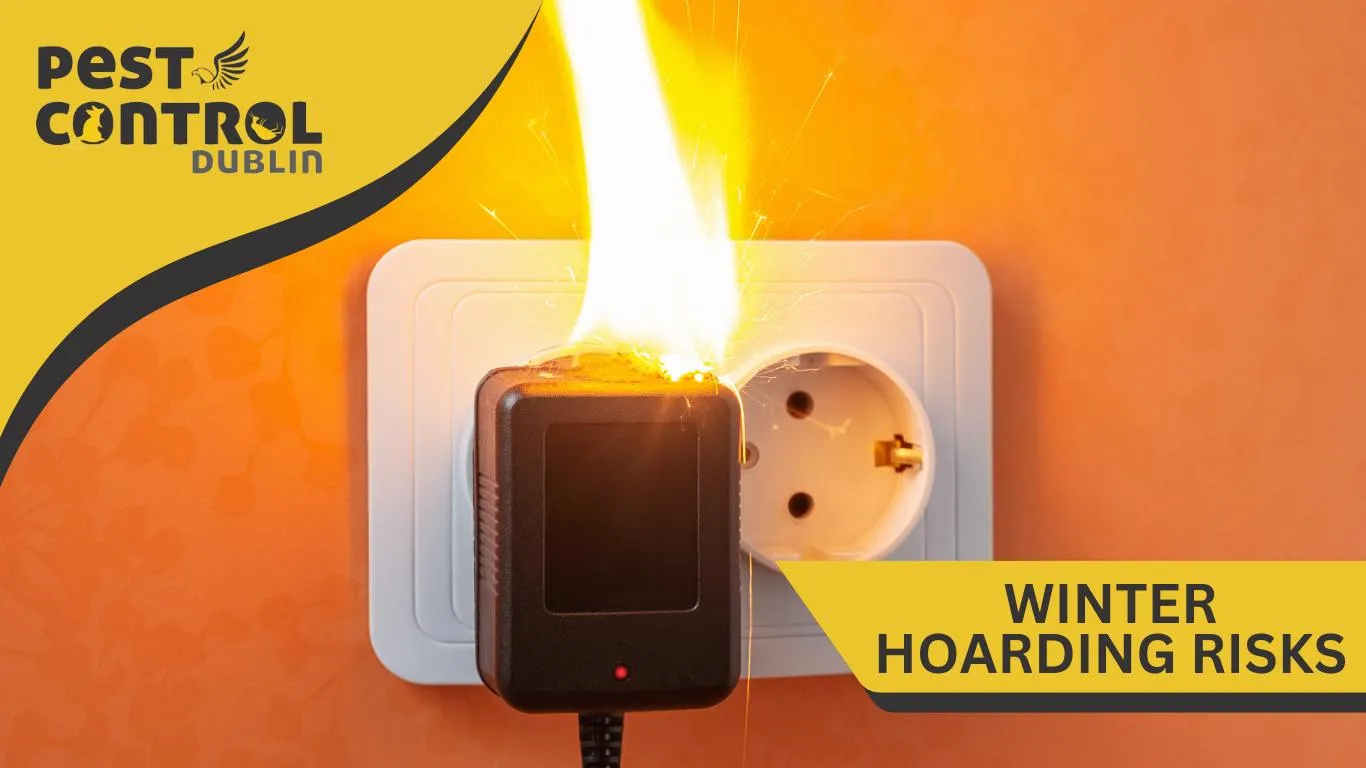
When temperatures drop in Ireland, homes change. People keep more possessions indoors, rely on candles or tea lights during power cuts, and stockpile food to avoid going out in bad weather. In a tidy house, this is straightforward, but in hoarding situations, these habits create additional dangers. Fire risks increase, escape routes become blocked, and the residents’ living space starts to shrink. Winter hoarding risks should never be underestimated because they affect lives.
Why winter makes hoarding disorder more dangerous
Winter encourages accumulation. People stay indoors longer, buy new items for comfort, and move things away from the cold or damp areas of their house. Someone with a history of hoarding behaviour may add new piles to already crowded living areas and may argue that everything is essential. The person often refuses help because their possessions feel emotionally significant, which is one of the psychological aspects of the hoarding disorder.
Heat sources also become a significant concern during winter. Electric heaters can easily start fires when placed near flammable items, and tea lights or candles used during storms can fall, melt or tip over into clutter.
In many hoarded homes, standing water from leaks or blocked gutters creates additional safety risks, as residents try to move items around the wet patches, increasing instability in the living space.
Fire risks and blocked escape routes

Fire safety becomes extremely difficult in a hoarder’s room. A simple spark can travel quickly through fabric, paper, or plastic. Firefighters know that hoarding situations make it harder to carry equipment, reach the person inside and identify safe pathways. Many fires grow faster because flammable items are stored too close to heat sources.
The fire department in Ireland frequently warns that the most significant danger is the inability to leave the house. A blocked exit route means the resident has no clear plan to escape, and first responders lose their ability to access the person in time. Even when smoke alarms activate, the resident may struggle to move past piles of possessions or fall while trying.
Get Your Free Estimate
If you are concerned about a hoarding situation this winter, contact our team for a discreet home assessment and professional hoarding cleanup services. Safety comes first and our specialists can help you restore a safe living space quickly and respectfully.
Contact us now or Call: 01-8310353Health and safety risks beyond fire
Further reading: Hoarding & Pests: Why Infestations Spread, Prevention & TreatmentAnother problem appears when social workers or other agencies attempt to visit. Access becomes difficult, and the resident may feel overwhelmed or ashamed. Mental health can deteriorate quickly because living areas become smaller and darker during winter. A person who sleeps in a crowded bed surrounded by piles may experience more stress, insomnia and anxiety. Hoarding disorder is never simply about items; it is about the psychological load the person carries.

The importance of early support and trained professionals
Further reading: Hoarder Cleanup Process: What to Expect
Talk To Our Team Of Professionals
If you suspect a fire risk or safety concern linked to hoarding, reach out to our professional team. We offer confidential and compassionate hoarding cleanup services for residents and families across Ireland, with trained technicians ready to make the home safe again.
Contact our team now or Call: 01-8310353Keeping people safe this winter
Reducing winter hoarding risks is not only about clearing clutter, but about protecting lives. With colder months bringing extra fire hazards, damp, new possessions and increased stress, even small hoarding situations can become dangerous quickly. When trained professionals, neighbours and social services act together, the person is never alone, and the house becomes safer step by step. Early intervention is essential, and asking for advice is the first positive move.

Helping Dublin stay pest-free for over 20 years. Friendly advice, expert solutions, every time.
FAQs
1. What is the main point to understand about helping a hoarder during winter?
The key point is that safety comes before clearing clutter, especially in winter when fire safety risks increase. A hoarder may feel overwhelmed, so professionals take things step by step and focus on making the living space safe before anything else.
2. How does the fire department handle hoarded homes?
The fire department treats hoarded homes with extra caution because access can be restricted and fires spread faster around piles of items. They often advise residents to keep heaters and candles away from clutter and to maintain at least one clear pathway for emergency entry.The key point is that safety comes before clearing clutter, especially in winter when fire safety risks increase. A hoarder may feel overwhelmed, so professionals take things step by step and focus on making the living space safe before anything else.
3. Can you give an example of a winter fire risk in a hoarder's house?
A typical example is a hoarder placing a small heater next to flammable items, such as clothes or old papers. In winter, this often happens because residents try to warm a small area of the house, which increases the risk of ignition.
4. Why is fire safety training necessary for professionals dealing with hoarding?
Teams involved in hoarding cleanups receive fire safety training to identify hazards quickly. This training helps them understand how fires start in cluttered environments and how to protect both the resident and themselves during the process.
5. What task should be prioritised when visiting a hoarded home in winter?
The first task is to check fire safety essentials, such as ensuring heaters are clear, identifying potential hazards, and confirming that at least one escape route is passable.