Hoarding is rarely about laziness or stubbornness. For most people, it is deeply linked to mental health, emotions and a strong sense of control over possessions. When a hoarding situation affects a loved one, family members often feel worried, frustrated and unsure how to respond.
Knowing how to help someone who hoards is not about clearing clutter overnight. It is about understanding hoarding disorder, respecting the person behind the behaviour and supporting positive change without making things worse. Families in Ireland often struggle to find the right balance between concern and pressure. This guide focuses on what to do, what not to do, and how to support long-term recovery.
Understanding hoarding disorder and behaviour
Hoarding disorder is recognised as a mental health condition and is closely linked to obsessive-compulsive disorder and anxiety. Hoarding behaviour can develop after negative childhood experiences, trauma or long-term stress. Many people feel intense distress at the thought of getting rid of possessions, even items that appear broken, low value or stored in plastic bags.
For the person involved, hoarding gives a sense of safety, control or identity. Removing items without consent can trigger fear, anger and shame. This is why well-intentioned actions by family or friends can sometimes lead to setbacks rather than progress.
The right mindset for family members
Family members often want quick results, especially when the house feels unsafe or when fire risks are present.
Further reading: Hoarding Health Risks: Why Professional Cleaning is Essential
However, hoarding issues usually require patience and a long-term focus. Progress is rarely linear, and everyday tasks like cooking, cleaning or paying bills may already feel overwhelming for the person.
It helps to remember that hoarding is not a choice. Most people struggling with a hoarding problem already feel judged and isolated. Support starts with respect, calm communication and a willingness to listen rather than control.
Do talk, listen and show concern without judgment
Talking openly is one of the most critical points. Choose a calm moment and express concern using simple, respectful language. Focus on safety, well-being, and relationships rather than mess or embarrassment.
Avoid blaming or using words that suggest failure. Encourage conversation by asking how the person feels about their space and what worries them most. This approach helps reduce anxiety and makes it easier to begin change.
Don’t force clear-outs or throw things away secretly
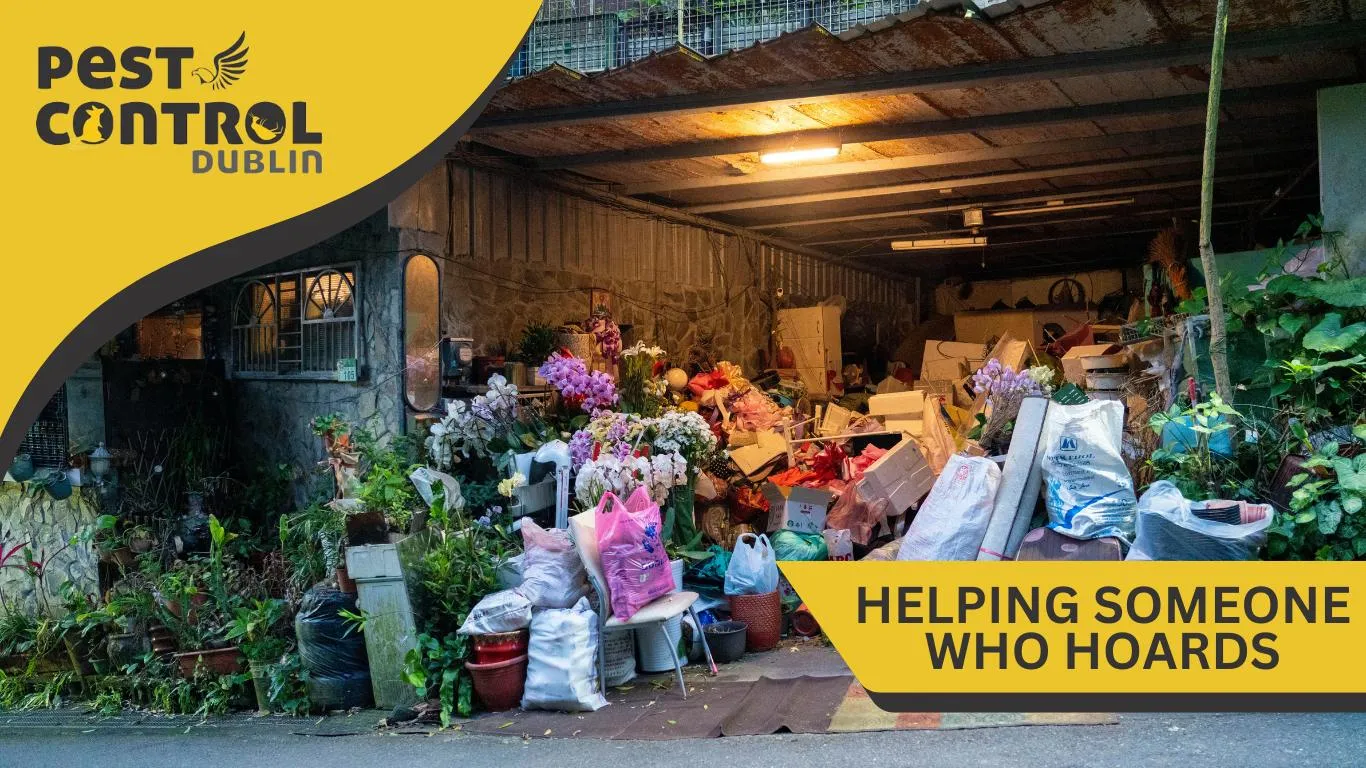
One of the most damaging actions is trying to get rid of possessions without permission. Even items that seem useless can feel deeply valuable to the person. Sudden clear-outs often lead to intense distress, anger and loss of trust.
In many cases, people replace the removed stuff quickly, sometimes even more than before. Forced actions can reinforce hoarding behaviour rather than support recovery.
Focus on safety and specific spaces first
When clutter creates risks such as blocked exits, fire hazards, pest activity or unsafe kitchens and bathrooms, it is reasonable to focus on specific areas. Agree together on creating safe access to doors, cooking areas or sleeping spaces.
This approach keeps the person involved in the process and helps them feel some control. Small, agreed-upon steps often lead to more motivation and confidence over time.
Concerned About a Hoarding Situation at Home?
If you are worried about a hoarding situation affecting safety, well-being, or everyday life, getting clear, professional guidance can make all the difference. A calm assessment and the right advice can help families understand next steps and avoid actions that may increase distress.
Contact our team now or Call: 01-8310353Encourage professional support and treatment
Hoarding disorder responds best to specialised treatment. Talking therapy with a trained therapist can help address fear, anxiety and decision-making difficulties. Cognitive behavioural therapy is commonly used, but the key is working with someone experienced in hoarding behaviour.
Encourage the person to seek treatment at their own pace. A GP can refer to mental health services, and some people benefit from a support group where they realise they are not alone.
Be patient with the process and celebrate progress
Recovery is slow and often frustrating for families. Progress may look small, such as sorting one bag, paying overdue bills or creating a clear path through the house. These steps matter.
Positive change comes from encouragement, not pressure. Recognising effort helps rebuild confidence and trust. Remember that setbacks are part of the journey and do not mean failure.
To go further: Life After a Hoarding Cleanup: Relapse Prevention Checklist
How friends and wider family can help
Friends and extended family can play a helpful role by reducing isolation. Social support lowers shame and improves motivation. Even practical help, like company during sorting sessions or help with everyday tasks, can make a difference when offered respectfully.
Charity shops can sometimes be introduced gently as an idea, but only when the person is ready. The goal is not to rid them of everything, but to help them manage their possessions more healthily.
When animals, pests and fire risks are involved
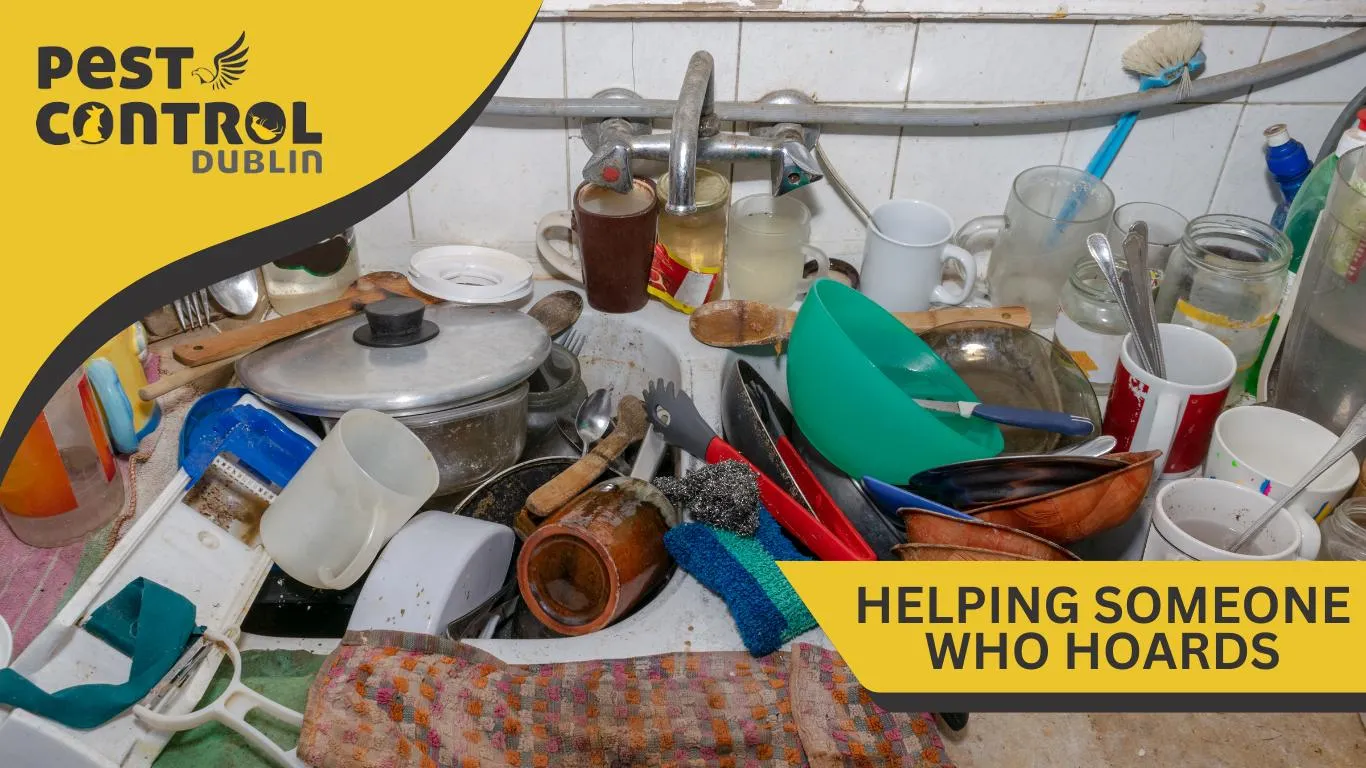
In some hoarding situations, animals, rodents, or insects become involved, increasing distress and health risks. Fire hazards are also common due to cluttered rooms and blocked exits.
In these cases, professional intervention is often necessary to protect everyone involved. Acting early can prevent situations from escalating and further damaging relationships.
Further reading: Hoarder Cleanup Process: What to Expect
Ready to Support Positive Change, Step by Step?
Helping a loved one manage hoarding behaviour takes patience, structure and the proper support. Speaking with experienced professionals can help you identify priorities, focus on specific spaces, and create a realistic plan that respects the person while encouraging progress.
Contact our team now or Call: 01-8310353Moving forward with compassion and structure
Helping a loved one who hoards is about balancing concern with respect. Families cannot fix everything, but they can support, encourage treatment and help create safer living conditions. With patience, the right tools and professional help, many people can regain control of their space and improve their quality of life.
Change takes time, but support rooted in understanding can truly change a person’s life.

Helping Dublin stay pest-free for over 20 years. Friendly advice, expert solutions, every time.
FAQs
What are the main symptoms of hoarding behaviour?
Hoarding behaviour usually involves persistent difficulty getting rid of possessions, excessive collecting and strong emotional attachment to items. Common symptoms include clutter that prevents everyday use of rooms, intense distress when asked to discard things, and ongoing problems with everyday tasks. Over time, these symptoms can affect relationships, safety and overall mental health.
What are the most critical points families should remember when trying to help?
One of the most critical points is to avoid judgment and rushing the process. Families should focus on understanding the person’s behaviour, listening to their concerns and offering support rather than control. Progress often starts with trust, patience and professional guidance rather than immediate clear-outs.
Why is it better to focus on certain spaces instead of the whole house?
Focusing on specific spaces helps reduce overwhelm and anxiety. For example, agreeing to clear access to exits, kitchens, or bathrooms can improve safety without triggering intense distress. This approach makes the process more manageable and helps the person feel involved rather than pressured.
Can you give an example of helpful suggestions for someone who is struggling?
A helpful example is suggesting short, structured sessions focused on sorting rather than getting rid of everything at once. Encouraging small decisions, offering support during the process, and recognising effort can make collecting feel less overwhelming. Practical suggestions work best when combined with empathy and respect for the person’s feelings.